Selecting the appropriate nucleic acid extraction kit is crucial for the success of any molecular biology experiment. With various kits available on the market, choosing one that best fits a specific sample type can be overwhelming. Understanding the key factors that influence this decision can help researchers ensure consistent and reliable results in their work.
Understanding Sample Type
The first step in choosing a suitable nucleic acid extraction kit is identifying the type of sample. Different sample types, such as tissues, blood, plants, or bacterial cultures, require distinct extraction protocols to achieve optimal yield and purity of nucleic acids. For example, tissue samples may require a kit designed for tough cellular structures, while blood samples may need kits that can efficiently separate nucleic acids from various blood components.
Researchers must also consider the quantity and quality of the starting material. Kits tailored for low-input samples will have specialized protocols to maximize yields and minimize degradation. It’s essential to match the kit’s specifications with the physical and chemical properties of the sample to ensure successful nucleic acid extraction.
Evaluating Extraction Methods
The next consideration involves the extraction method employed by the nucleic acid extraction kit. Common methods include silica-based spin columns, magnetic bead techniques, and organic solvent methods. Each has its advantages and disadvantages.
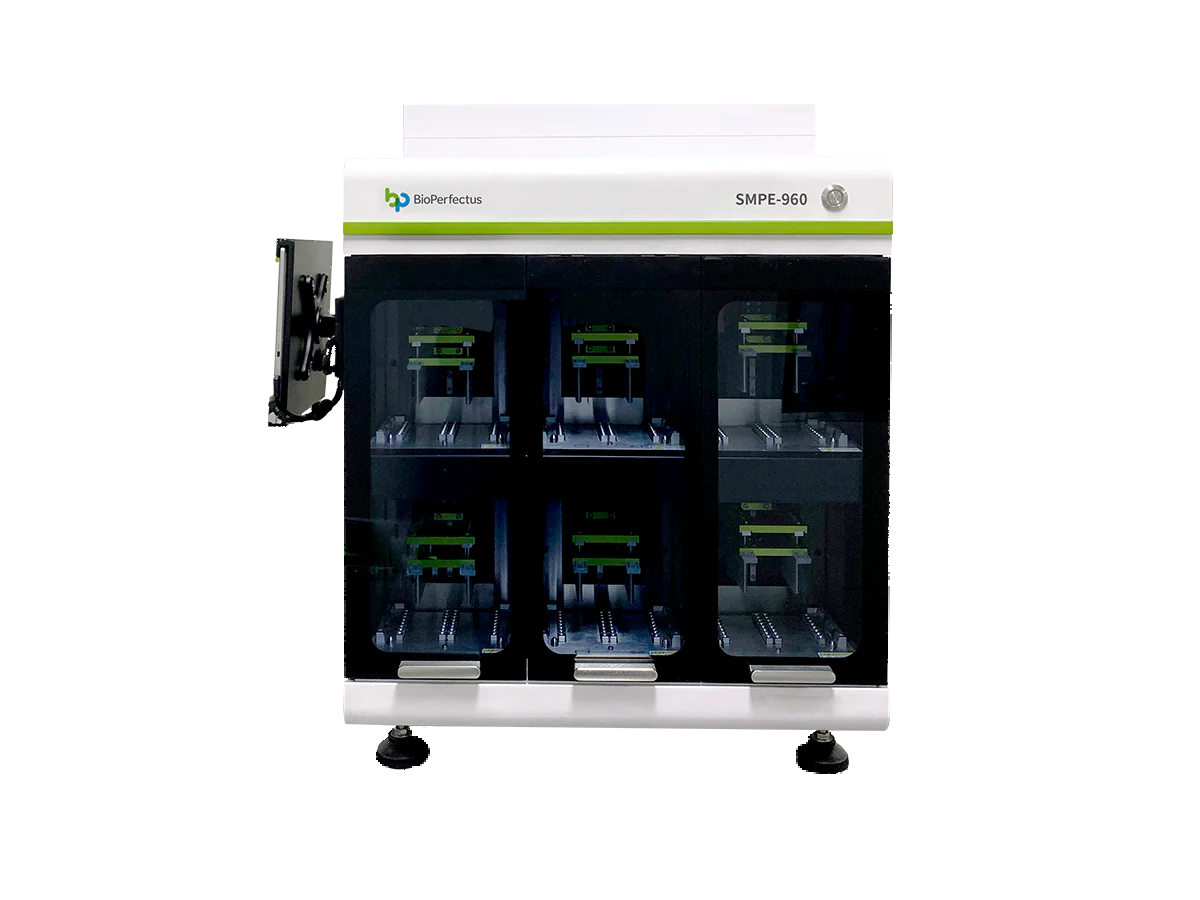
Silica spin columns are effective for manual extractions and provide reliable yields but may be time-consuming for high-throughput applications. In contrast, magnetic bead-based kits offer convenience and faster processing times, making them suitable for large-scale operations. Automated extraction systems can also be a consideration for labs handling numerous samples, as they significantly streamline workflows and reduce variability in results.
When choosing a kit, researchers should evaluate their specific needs, including the scalability of the method, the required level of automation, and any budgetary constraints. BPLabLine, a supplier recognized for its reliable nucleic acid extraction solutions, offers a diverse range of options, from magnetic bead kits to rapid purification systems, catering to various research demands.
Selecting the Best Kit for Your Research
In summary, selecting the right nucleic acid extraction kit for a given sample type requires careful consideration of the sample characteristics and the extraction method. By understanding the differences between tissue, blood, and other sample types, researchers can match these with the appropriate extraction protocols.
Moreover, suppliers like BPLabLine provide valuable resources, ensuring that researchers can find solutions tailored to their specific needs. By making informed decisions, researchers can achieve consistent yields and high-purity nucleic acids, ultimately enhancing the reliability of their molecular biology studies and paving the way for successful experimental outcomes.
