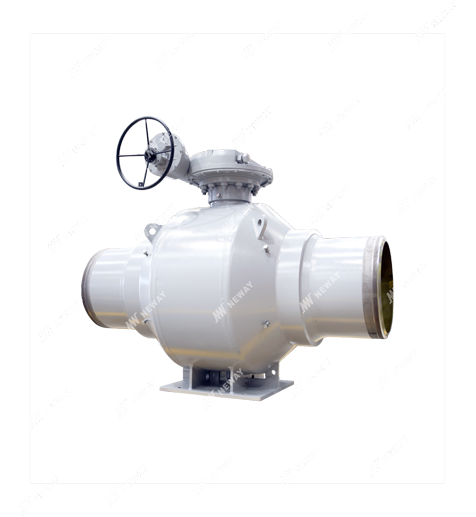
Replacing a ball valve is a critical maintenance task for ensuring the reliable operation of fluid systems in various industries. Whether dealing with a trunnion ball valve or an API 6D ball valve, understanding the replacement process can prevent costly downtime and enhance system integrity.
Assessing the Current Valve Condition
Before undertaking the replacement of a ball valve, it’s essential to evaluate the current valve’s condition. Look for signs of wear, leaks, or insufficient sealing performance. For applications using a trunnion ball valve, check that the valve operates smoothly and maintains low operating torque. If the valve fails to meet operational standards or shows signs of extensive deterioration, it’s time to consider a replacement.
Selecting the Right Replacement Valve
When choosing a new valve, prioritize a high-quality option that meets industry standards, such as the API 6D certification. The Neway fully welded trunnion mounted ball valve is an excellent choice due to its exceptional sealing performance and durability under high-pressure conditions. This valve series features advanced engineering capabilities, including anti-blowout stems and low-emission packing, to ensure compliance with stringent safety and environmental regulations.
Installation Process for Your New Ball Valve
The installation of a new ball valve should be approached with care. First, ensure that the line is depressurized and drained. Remove the old valve, taking care to inspect the pipe ends for damage before installing the new trunnion ball valve. Ensure proper alignment and secure connections, whether using butt-weld or flanged options. Finally, conduct pressure tests to validate the integrity of your installation.
Elevate your valve performance with Neway Valve‘s high-quality trunnion ball valves, which are engineered for extreme service and reliability. By following these steps, you’ll ensure a seamless replacement process while enhancing the overall safety and functionality of your pipeline systems.
