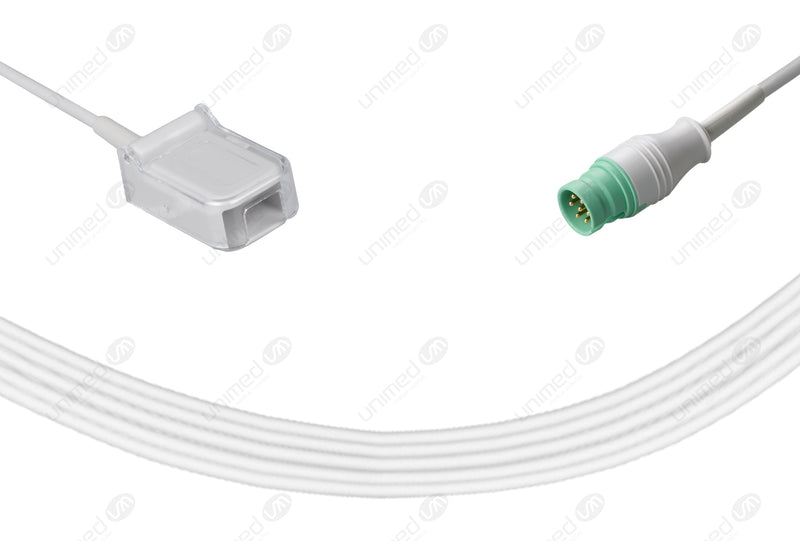
Selecting the right cable connection method is a practical concern for experienced clinical users who manage long-term patient monitoring. In SpO2 systems, connection design influences signal stability, workflow efficiency, and maintenance routines. Solutions such as snap, invasive, and direct connections are commonly used with devices supporting disposable SpO2 sensor applications. In professional environments, they are evaluated not only for ease of use but also for compatibility with existing monitors and established clinical protocols.
Snap Connection Method: Operational Flexibility
Snap connections are widely adopted in multi-patient settings because they allow fast sensor replacement without changing the entire cable. This approach supports efficient turnover and reduces handling time during routine monitoring. Snap designs are often paired with covidien nellcor SpO2 sensor models in facilities that emphasize standardized interfaces. However, snap points may require regular inspection, as repeated attachment cycles can affect long-term mechanical stability if not properly maintained.
Invasive and Direct Connections: Stability and Signal Integrity
Invasive and direct cable connections are typically chosen when continuous signal integrity is prioritized. Direct connections minimize contact points, which can help reduce signal interruption during patient movement. Invasive setups, while more specialized, are often reserved for controlled environments where cable positioning is carefully managed. For experienced users, these methods offer predictable performance but may reduce flexibility during rapid patient transitions compared to snap systems.
Conclusion: Matching Connection Methods to Clinical Demands
Choosing between snap, invasive, and direct cable connection methods depends on clinical workflow and device compatibility rather than preference alone. Unimed provides Bionet Compatible SpO2 Interface Cables designed to integrate with established monitoring systems and support both reusable cables and disposable SpO2 sensor configurations. Their product range also accommodates setups involving covidien nellcor SpO2 sensor standards, allowing facilities to align connection methods with operational priorities. By understanding the trade-offs of each approach, experienced users can select cable solutions that support consistent monitoring and practical long-term use.
