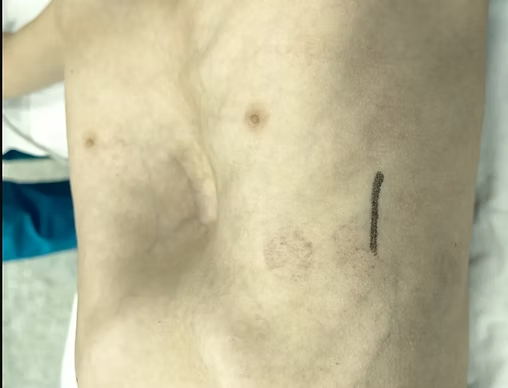
Pectus excavatum is a common congenital chest deformity characterized by an inward depression of the sternum and its adjacent ribs. Many experts who have made significant contributions to the treatment of pectus excavatum are dedicated to understanding and treating the condition, ensuring that patients receive personalized care.
Genetic Factors: The Possible Cause of Pectus Excavatum
The exact cause of pectus excavatum is still unclear. Research suggests that genetic factors play a significant role in the development of pectus excavatum. Family history is often a key indicator, as hereditary patterns may contribute to its occurrence.
Abnormal Growth of Cartilage and Diaphragm
Pectus excavatum can also arise from abnormal growth patterns of the diaphragm or costal cartilage beneath the sternum. This imbalance causes the sternum to cave inward, leading to noticeable chest deformities. ICWS employs advanced diagnostic imaging to assess the severity of these conditions, facilitating effective treatment plans.
Pectus Excavatum Symptoms
In most cases, mild pectus excavatum does not result in significant health issues. In severe circumstances, though, the indented chest wall may compress the heart and lungs, resulting in symptoms including palpitations, shortness of breath, and breathing difficulties. Patients may also have increased psychological stress, recurrent upper respiratory tract infections, delayed growth and development, loss of appetite, and indigestion.
Additionally, scoliosis, which is more common in patients with severe abnormalities or those who have had the disorder for a long time, can result from pectus excavatum.
Conclusion
To conclude, pectus excavatum can have significant implications for those affected. Although the cause of pectus excavatum is still unknown, active treatment can improve quality of life. At The Institute of Chest Wall Surgery (ICWS), they prioritize a personalized approach, utilizing advanced techniques and expert care to enhance their patients’ quality of life. Together, they strive to empower individuals with pectus excavatum, fostering their journey toward improved health and well-being.
