Conveyor systems operating in mining, quarrying, agriculture, recycling, and bulk material handling often face conditions that place continuous stress on conveyor belts and their joints. Dust, moisture, impact loads, and abrasive materials can all shorten the service life of belt connections if unsuitable fasteners are selected. Choosing the right mechanical belt fasteners is therefore not only about connecting two belt ends but also about supporting stable production, reducing maintenance frequency, and improving operational efficiency. When evaluating suppliers, many industrial buyers also consider whether a conveyor belt fastener manufacturer can provide technical support, customization, and consistent product quality.
Understanding the Demands of Harsh Working Environments
Harsh operating environments affect conveyor belts in different ways. Mining conveyors often carry heavy rocks that generate repeated impact loads, while recycling facilities expose equipment to moisture, chemicals, and mixed materials. Agricultural applications may combine dirt, humidity, and seasonal temperature changes that influence belt performance.
These conditions require fasteners that maintain secure belt joints while resisting wear and corrosion. Selecting products solely based on price may increase maintenance costs if the fasteners require frequent replacement or cause unexpected downtime.
Engineers also evaluate installation efficiency because conveyor maintenance is often performed during limited shutdown periods. Fasteners that simplify installation can help reduce production interruptions while maintaining reliable belt performance.
Mechanical Belt Fasteners Selection Factors for Industrial Applications
When comparing different mechanical belt fasteners, buyers should first identify the belt specifications, including belt thickness, tensile strength, pulley diameter, and conveyed material. Matching these factors helps ensure that the fastener performs within its intended operating range.
Material selection is equally important. Stainless steel components are commonly selected where corrosion resistance is required, while specialized materials may provide additional durability for demanding applications involving abrasive materials or continuous operation.
Maintenance accessibility should also be considered. Conveyor systems installed in remote production sites benefit from fasteners that allow efficient replacement without requiring extensive disassembly, helping maintenance teams complete repairs within planned service windows.
Material Quality Makes a Long-Term Difference
The material used in a belt fastener directly influences its service life. Corrosion, fatigue, and repeated mechanical loading gradually reduce joint reliability, particularly in environments exposed to water, chemicals, or outdoor weather conditions.
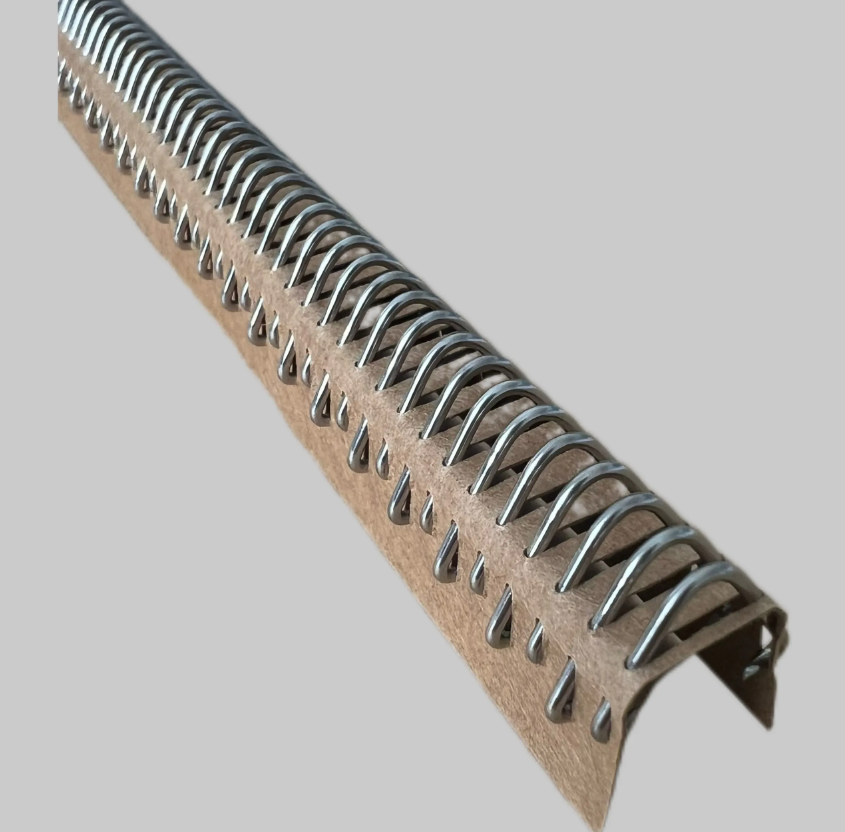
One example is the Carded Wire Belt fastener, manufactured from 304S material. This product has a weight of 0.31kg and is supplied in packaging specifications of 12 Pcs/Box. Stainless material offers suitable corrosion resistance for many industrial conveying applications while supporting stable mechanical performance during continuous use.
Some manufacturers also incorporate specialized materials that are available from only a limited number of production facilities worldwide. Such material selection may improve durability for specific industrial environments where conventional materials experience accelerated wear.
Evaluating a Conveyor Belt Fastener Manufacturer Beyond Product Specifications
Selecting a conveyor belt fastener manufacturer involves more than reviewing product catalogs. Industrial buyers often evaluate technical capabilities, production consistency, and after-sales support before establishing long-term purchasing relationships.
Companies that provide product samples allow distributors and industrial users to verify compatibility with existing conveyor systems before placing larger orders. Sample evaluation can reduce purchasing risks and support more accurate product selection.
Training resources are another practical consideration. Suppliers offering installation videos and operating guidance help distributors, maintenance personnel, and end users reduce installation errors, especially when introducing new fastening systems into existing production lines.
Customization Supports Different Conveyor System Requirements
Industrial conveyor systems rarely follow identical specifications. Belt width, operating speed, conveyed material, and environmental conditions often differ from one production line to another. Because of these differences, customization has become an important consideration during procurement.
Many distributors prefer suppliers capable of adjusting product specifications to match project requirements rather than relying entirely on standard inventory. Customized solutions may improve compatibility with existing equipment and simplify installation during replacement projects.
Intake provides customization services for customers with different application requirements. They also focus on supporting distributors and business partners that require products tailored to regional market demand instead of offering only fixed specifications.
Supply Efficiency Matters in Industrial Procurement
Production downtime can become costly when conveyor components are unavailable. Reliable delivery schedules therefore play an important role in supplier selection, particularly for distributors responsible for maintaining inventory for industrial customers.
For standard products, Intake generally arranges shipment within three days after order confirmation, while customized products are typically prepared within approximately one week. This delivery schedule helps distributors and maintenance teams plan inventory with greater confidence.
Purchasing policies may also influence procurement decisions. For example, larger orders may qualify for additional pricing support, allowing distributors to optimize purchasing costs while maintaining inventory for future customer requirements.
Building Long-Term Distribution Partnerships
Many industrial component suppliers focus not only on selling products but also on developing long-term cooperation with distributors and regional agents. Technical support, product knowledge, and stable supply often become important factors after the initial purchase.
A supplier that provides installation guidance, technical documentation, and free product samples can help distributors introduce products more effectively into local markets. These resources also reduce the learning curve for maintenance personnel working with new fastening systems.
As a B2B supplier, Intake places attention on supporting distributors and agents through product customization, sample services, and operational guidance, allowing partners to better evaluate products before expanding commercial cooperation.
Conclusion
Selecting suitable conveyor belt fasteners requires balancing operating conditions, material characteristics, maintenance efficiency, and supplier capabilities rather than focusing on a single specification. Buyers comparing different conveyor belt fastener manufacturer options should also evaluate technical support, customization flexibility, and delivery reliability alongside product performance.
For applications requiring mechanical belt fasteners in demanding industrial environments, understanding material selection and installation requirements helps reduce maintenance frequency and improve operational stability. Products such as the Carded Wire Belt fastener illustrate how material choice, standardized packaging, and practical engineering design can support a wide range of conveyor applications while meeting the purchasing priorities of industrial distributors and equipment suppliers.
