The expansion of large-scale renewable energy projects has increased the need for reliable and scalable energy storage systems. In this context, the role of a qualified sodium battery manufacturer has become increasingly important. Sodium-based technologies offer a practical alternative for grid-level storage due to their material availability, safety profile, and adaptability to diverse environments. As renewable installations grow in size and complexity, a capable sodium battery manufacturer contributes not only to energy storage capacity but also to system stability and operational continuity.
Enabling Scalable and Stable Energy Storage
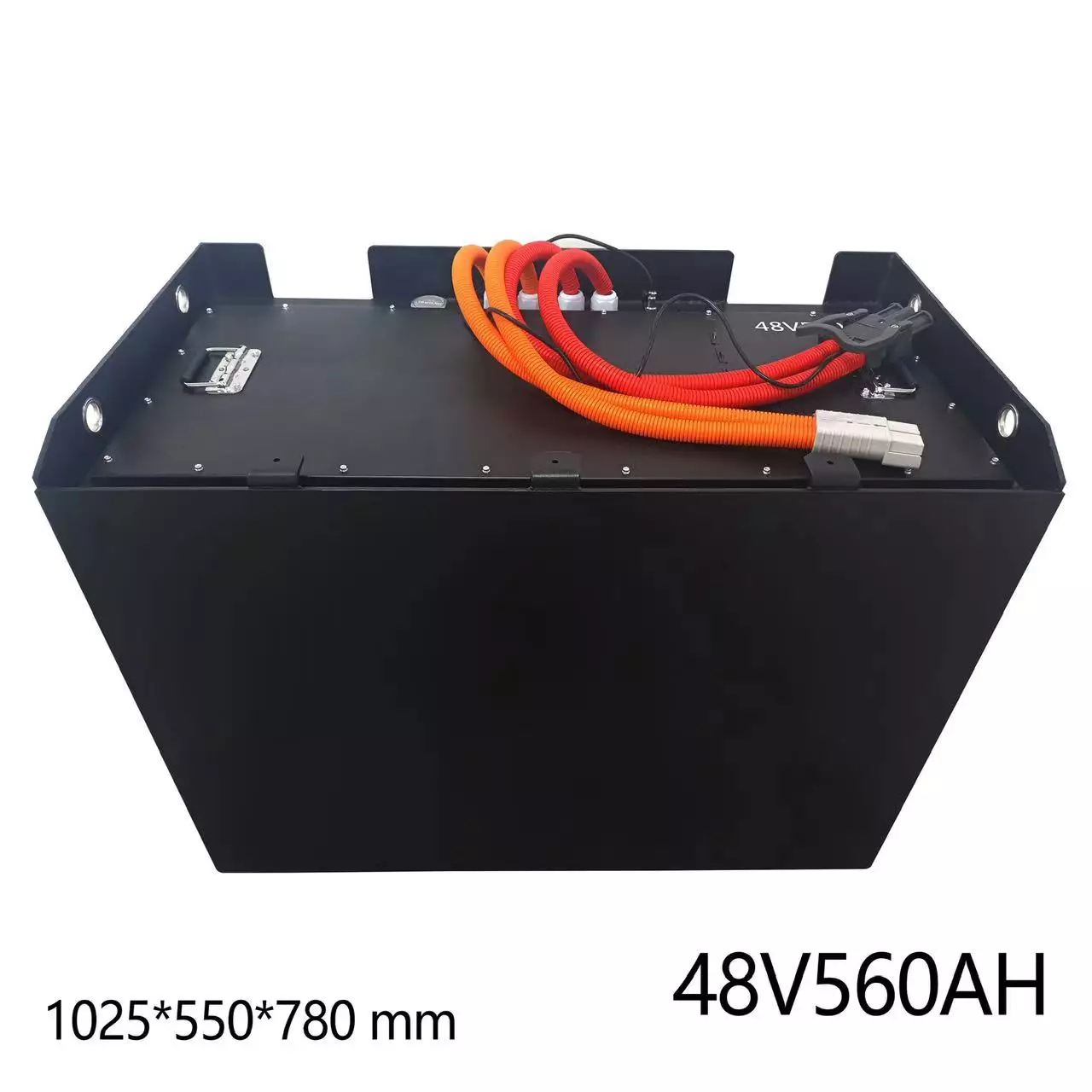
A primary contribution of any sodium battery manufacturer lies in enabling storage systems that can scale with renewable generation capacity. Large solar and wind projects often face variability in output, requiring storage solutions that can absorb excess energy and release it when demand increases. Sodium battery systems, particularly high-capacity configurations such as 48V560AH, are designed to support this requirement with consistent discharge performance and efficient energy utilization.
In addition, modern sodium batteries are engineered for long service life, often reaching design lifetimes of around ten years. This reduces replacement frequency and supports long-term project economics. Features such as low internal resistance and high energy efficiency help minimize system losses, ensuring that the integration of storage does not compromise overall project performance. These characteristics highlight how a sodium battery manufacturer contributes to both technical reliability and economic feasibility.
Enhancing Reliability Across Operating Conditions
Renewable energy projects are often deployed in environments with challenging temperature conditions. A capable sodium battery manufacturer addresses this by developing batteries that maintain performance across a wide operating range. For example, all-weather battery designs can function efficiently in both high and low temperatures, with self-heating capabilities enabling charging even at -20°C.
Safety and maintenance considerations are equally important. Sodium battery systems are typically designed to be maintenance-free, reducing operational complexity for large installations. Enhanced thermal and chemical stability, combined with multiple protection mechanisms, ensures safe operation over extended periods. These features allow project developers to deploy storage systems with greater confidence, reinforcing the role of the sodium battery manufacturer in supporting reliable renewable infrastructure.
Supporting Renewable Integration with Practical Battery Solutions
The contribution of a sodium battery manufacturer extends beyond individual products to broader system integration. Aokly is among the companies developing energy storage solutions that align with the needs of large-scale renewable projects. Its approach emphasizes durability, operational stability, and reduced environmental impact, with battery systems designed to lower energy consumption and minimize carbon emissions.
By focusing on practical engineering features such as long lifecycle performance, maintenance-free operation, and safe design structures, Aokly supports consistent energy storage for renewable applications. This positions the company as a relevant participant in the evolving landscape where each sodium battery manufacturer plays a role in enabling efficient and sustainable energy systems.
