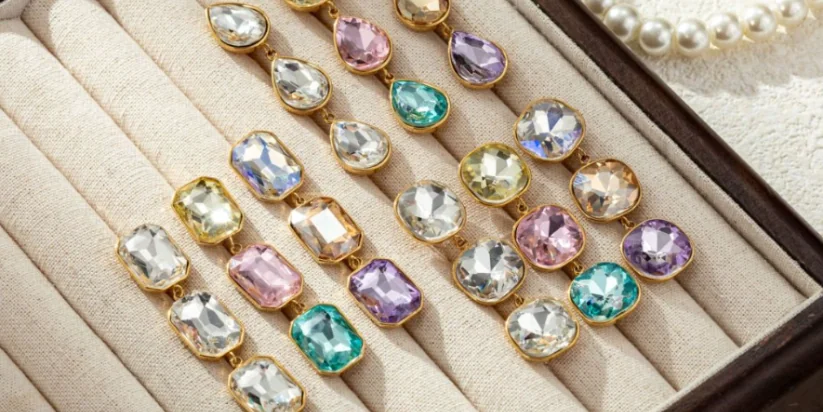
Every gram counts when shipping thousands of stainless steel bracelets across borders. For jewelry brands scaling their operations, freight expenses can quietly eat into margins. A thoughtful stainless steel bracelet manufacturer addresses this challenge not by cutting quality, but by smart design choices that shave off unnecessary weight without compromising durability or appearance.
Material Selection Between 304 and 316L
The choice between 304 and 316L stainless steel affects weight, though both have similar density. A stainless steel bracelet manufacturer often recommends 304 for bulkier designs where every gram matters, as it offers an economical choice with good rust resistance. For pieces requiring premium hypoallergenic properties, 316L remains the go-to option. The real weight savings come from adjusting material thickness during the design evaluation phase. By reducing non-structural thickness from 2mm to 1.5mm on certain areas, manufacturers cut about 25% of the metal volume while keeping the bracelet looking solid.
Hollow Construction and Chain Type Optimization
Solid links look great but add heft. A smarter approach involves hollow or semi-hollow casting for larger links. The wax embryo inspection stage catches any uneven wall thickness that could weaken the structure. Chain type also plays a role—a box chain or snake chain uses less material per inch than a dense Cuban chain. A reliable stainless steel bracelet manufacturer will work with brands to match the desired visual weight with actual metal usage. For example, a beaded style with hollow beads keeps the chunky look but weighs noticeably less than solid ones.
Testing Durability Without Adding Extra Metal
Weight reduction means nothing if the bracelet breaks. After optimizing the design, a stainless steel bracelet manufacturer runs finished product inspections that include fastener opening and closing tests 500 times and vibration checks for stone settings. These tests confirm the lighter design still holds up. The 20% cost advantage mentioned in their process comes partly from reduced material usage and partly from lower shipping fees. Brands shipping 10,000 units might save hundreds of dollars per shipment just from these small per-piece reductions.
Weight optimization is a balancing act between aesthetics, durability, and logistics. Star Harvest, as a stainless steel bracelet manufacturer, integrates this thinking into their OEM workflow—from design evaluation to delivery closed loop. For brands watching their bottom line, those saved grams add up to real savings, order after order.
