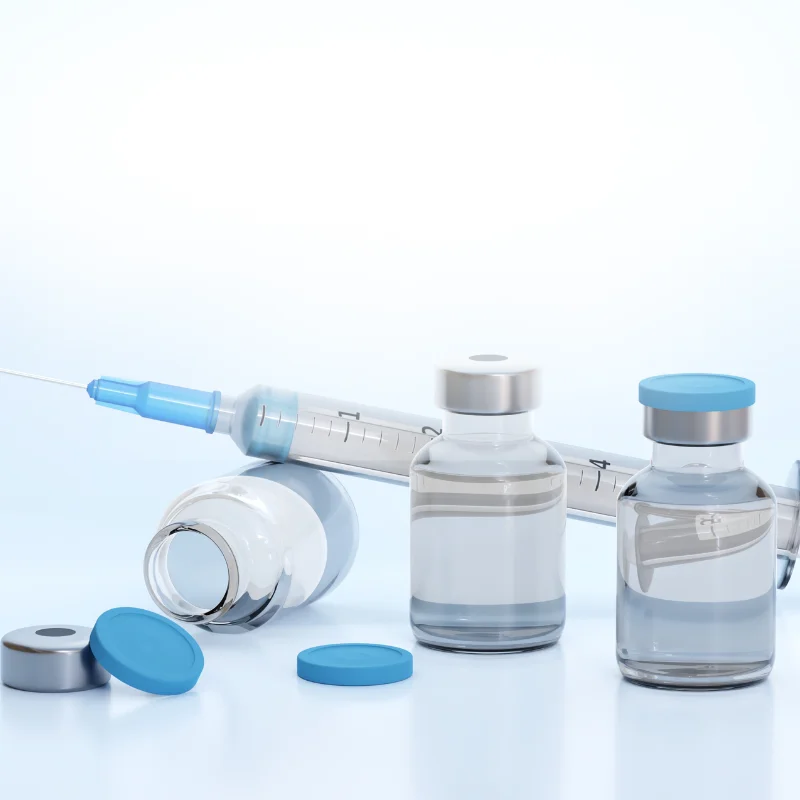
Modern immunization science relies heavily on controlled pathogen exposure and synthetic molecular templates to stimulate protective adaptive immunity efficiently. Traditional immunization strategies encompassing subunit, conjugate, toxoid, and live-attenuated formulations have long protected global populations against infectious diseases. Contemporary therapeutic pipelines now incorporate advanced genetic technologies such as messenger RNA, circular DNA constructs, and virus-like particle platforms to reshape preventive healthcare.
Biotech innovators translating novel prophylactic candidates from exploratory benches into clinical evaluation must collaborate closely with a specialized vaccine manufacturing company capable of handling complex macromolecular designs. Organizations such as Yaohai Bio-Pharma provide comprehensive microbial development and manufacturing services that illustrate how integrated technical platforms support complex biological modalities throughout their developmental lifecycles.
Evaluating Host Platform Versatility And Expression Systems
One of the first factors to evaluate when choosing a vaccine manufacturing company is whether its expression platform matches the technical requirements of the target vaccine. Yeast platforms, bacterial hosts, and mammalian cell cultures each present unique advantages regarding folding geometry, post-translational modifications, and volumetric yield potential. Selecting an optimal expression host depends heavily on whether the project involves multi-subunit protein complexes, virus-like particles, or nucleic acid precursors.
Microbial systems offer rapid growth kinetics and high-density fermentation capabilities that streamline early process characterization significantly. Overcoming manufacturing bottlenecks for complex macromolecular structures requires robust scaling frameworks and adaptable host engineering protocols. Bioreactor parameters must adapt dynamically to cellular metabolic shifts during high-density cultivation runs to maximize soluble protein recovery. Molecular developers evaluate host versatility thoroughly before committing financial and technical resources to large-scale production campaigns.
Navigating Regulatory Frameworks And Compliance Pathways
Regulatory compliance is one of the most important criteria when evaluating a vaccine manufacturing company, particularly for products intended for global clinical development. Facilities producing biological active pharmaceutical ingredients must operate under current Good Manufacturing Practice standards enforced by major global health authorities. Regular quality audits and rigorous documentation practices verify that every manufacturing phase adheres to established international compendia.
Transparent record-keeping systems offer complete traceability from raw material intake to final product release. Standardized quality management systems encompass comprehensive equipment qualification, personnel training, and environmental monitoring protocols. Independent quality assurance teams oversee deviation investigations and implement corrective action plans proactively. Partnering with a qualified vaccine manufacturing company holding robust audit histories significantly accelerates regulatory dossier review processes and mitigates clinical hold risks.
Technology Transfer and Scale‑Up Collaboration – A Critical Readiness Indicator
When selecting a vaccine manufacturing partner, the ability to seamlessly transfer your proprietary process from lab‑scale to GMP production is often a greater determinant of project success than hardware specifications. Evaluation should focus on the CDMO’s structured technology transfer framework, including gap assessments between your existing equipment and their facility, risk‑based scale‑down models, and predefined success criteria for each transfer stage. A competent partner will conduct joint feasibility studies well before formal kick‑off, identifying potential shear sensitivity, oxygen uptake variations, or filtration bottlenecks that might emerge at larger working volumes. Also critical is the CDMO’s track record with analogous vaccine modalities – whether virus‑like particles, recombinant subunits, or mRNA‑loaded lipid systems – as prior experience directly correlates with fewer transfer iterations and shorter time‑to‑clinical batch release.
Beyond technical compatibility, the collaborative dynamics during scale‑up reveal a partner’s true operational maturity. Effective CDMOs assign dedicated technology transfer managers who facilitate weekly joint review meetings, maintain shared deviation logs, and implement change control protocols that keep both parties aligned on critical process parameters. They also provide transparent documentation of equipment qualification, cleaning validation, and intermediate hold‑time studies, enabling you to assess scalability risks early. Moreover, a partner that offers flexible pilot‑scale suites alongside commercial trains allows simultaneous troubleshooting and process optimisation, drastically reducing the risk of failure at final scale. Ultimately, thorough evaluation of transfer and scale‑up capabilities not only mitigates costly delays but also confirms that the CDMO treats your vaccine program as a shared mission, not a transactional service.
Formulation-Focused Facility Design – Supporting Diverse Product Requirements
Facility capability should be assessed based on its ability to support different formulation types and future commercial scale-up. Dedicated filling lines equipped with both peristaltic and piston pump technologies enable seamless transitions between different product viscosities and fill volumes, reducing changeover time and minimizing cross-contamination risks. The facility’s ability to handle multiple container formats—including vials, prefilled syringes, and cartridges—provides formulation teams with flexibility to select the optimal presentation for each program. Such multi-format capability becomes increasingly valuable as biologic pipelines diversify across different administration routes and patient populations.
Beyond physical configuration, the facility’s track record in scaling formulations from clinical to commercial batches offers crucial insight into its operational maturity. Standardized platform approaches, including pre-validated lyophilization cycles and established fill-finish parameters, reduce the need for extensive re-development at each scale. The availability of engineering runs and process qualification batches at intermediate scales confirms that the facility can replicate laboratory-scale performance reliably. Yaohai Bio-Pharma applies this formulation-conscious facility design, providing clients with manufacturing environments that support both early-stage flexibility and commercial-scale reproducibility across diverse biologic modalities.
Analytical Development And Method Validation Protocols
Analytical development capability is another key factor when selecting a vaccine manufacturing company, as it directly affects product quality, regulatory compliance, and lot-release testing. Method development teams design stability-indicating assays that evaluate degradation pathways under various environmental stress conditions, including thermal exposure and oxidative stress. Validation studies confirm the accuracy, precision, and linearity of analytical methods prior to clinical trial material release. Detailed characterization data provides critical insights into higher-order molecular structures.
Reference standard characterization establishes a benchmark for routine lot-release testing throughout the product lifecycle. Stability testing protocols monitor physical and chemical attributes over extended storage durations to determine shelf-life expiration dates. Collaborative analytical teams work closely with clients to resolve unexpected impurities or assay discrepancies swiftly. Comprehensive analytical support provides greater confidence in therapeutic safety and efficacy profiles.
Conclusion
Selecting a vaccine manufacturing partner requires systematic evaluation across multiple dimensions—from microbial expression platform versatility and fermentation scalability to purification robustness and regulatory compliance history. Each assessment factor, whether analytical method transferability or facility contamination control, contributes to a comprehensive picture of the supplier’s ability to deliver consistent, high‑quality clinical and commercial batches. Developers who prioritize transparent technical communication, audit‑ready quality systems, and demonstrated experience with analogous vaccine modalities are better positioned to mitigate risks and accelerate program timelines.
Ultimately, the right partnership transforms a complex manufacturing challenge into a streamlined development pathway, where scientific expertise and operational excellence converge to safeguard product integrity and patient access. Yaohai Bio‑Pharma exemplifies these essential evaluation criteria, offering proven platforms and regulatory track records that enable vaccine developers to navigate from early‑phase studies through commercial supply with confidence and efficiency.
