Modern dentistry increasingly focuses on understanding not only the appearance of teeth but also how the entire oral system functions. Tooth position, occlusion, muscle activity, and jaw movement all influence treatment outcomes, especially in complex restorative and prosthetic cases.
Traditional dental examinations often evaluate the bite from a static position. However, the jaw is constantly moving during daily activities such as chewing, speaking, and swallowing. These movements can provide valuable clinical information that cannot always be identified through conventional methods.
A digital jaw motion system helps dentists capture and analyze these functional patterns. By combining movement data with other digital records, clinicians can create a more complete understanding of each patient’s oral condition and develop more precise treatment strategies.
What Is a Jaw Motion System?
- Capturing Dynamic Jaw Function
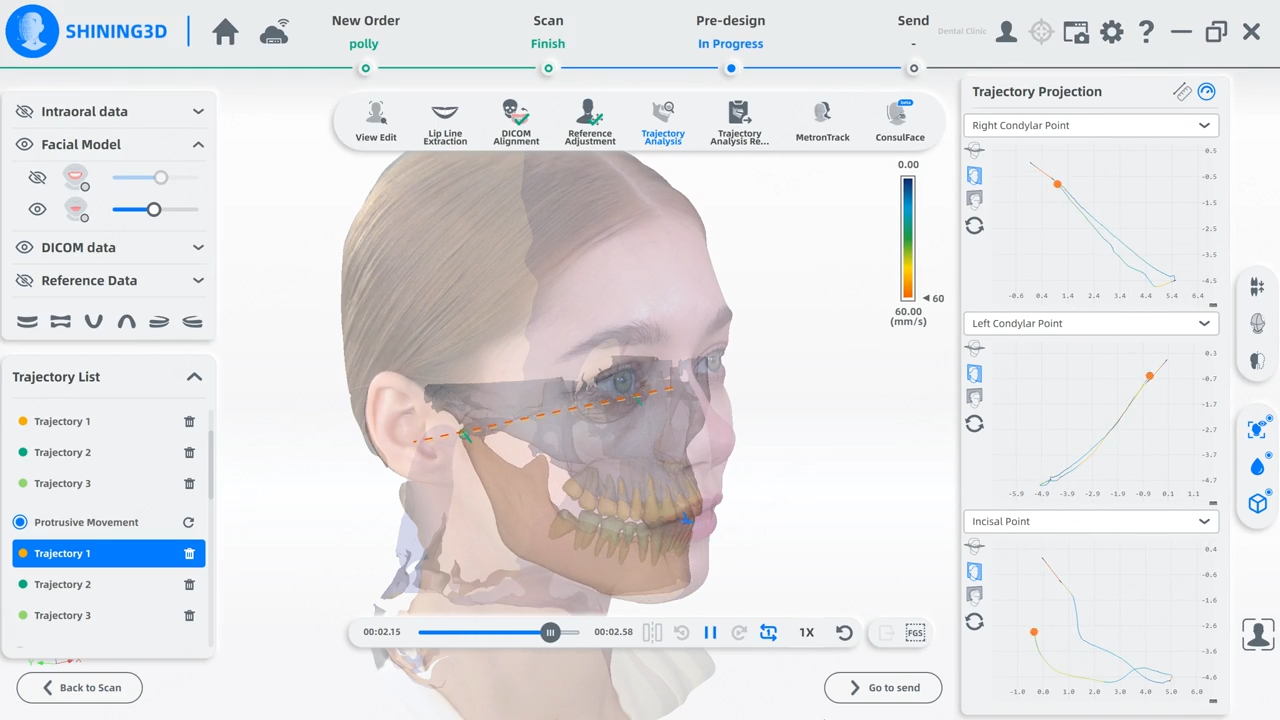
A jaw motion system is a digital technology designed to record and analyze mandibular movement in real time. Unlike traditional bite analysis methods that focus mainly on a fixed position, these systems evaluate how the lower jaw moves through different functional activities.
Dentists can use jaw motion tracking to observe opening and closing paths, lateral movements, and coordination between different components of the masticatory system.
This dynamic information helps clinicians understand how teeth, muscles, and joints work together. It can be especially useful when planning treatments that require high levels of functional accuracy.
- Combining Static and Dynamic Dental Data
A complete dental diagnosis often requires multiple types of information, including intraoral scans, facial data, imaging, and occlusal records. A digital jaw relation record adds another important reference by capturing the spatial relationship between the upper and lower jaws.
When combined with jaw motion analysis, a jaw relation record provides dentists with both positional and functional information. This combination allows professionals to evaluate not only where the jaws are positioned but also how they move during real-life activities.
How Dentists Apply Jaw Motion Systems in Clinical Practice?
- Improving Occlusal Diagnosis
Occlusion plays a critical role in many dental treatments. An unstable bite may contribute to uneven force distribution, discomfort, or premature wear of restorations.
A jaw motion system allows dentists to observe movement patterns that may not be visible during a traditional bite examination. By analyzing dynamic contacts and mandibular pathways, clinicians can identify potential occlusal concerns more accurately.
This information supports better treatment decisions and helps dentists create solutions that match the patient’s functional requirements.
- Supporting Implant and Prosthetic Treatment
Dental implants and prosthetic restorations must function naturally within the patient’s oral system. Proper design requires an accurate understanding of jaw position and movement.
A precise jaw relation record helps dentists and dental laboratories establish the correct relationship between the upper and lower jaws during restoration planning.
By adding jaw motion data, professionals can evaluate how the restoration may perform during actual function. This approach can improve communication between clinics and laboratories while supporting more predictable prosthetic outcomes.
- Assisting Full-Mouth Rehabilitation
Full-mouth rehabilitation involves restoring multiple teeth and rebuilding the patient’s oral function. These complex cases require detailed analysis because small errors in occlusion may influence comfort and long-term stability.
Digital movement analysis provides additional information about the patient’s functional patterns. Dentists can use this data together with a digital jaw relation record to design restorations that better align with the patient’s natural jaw behavior.
This comprehensive approach helps create treatment plans that consider both aesthetics and function.
SHINING 3D DENTAL e-Motion: Integrating Jaw Movement Into Digital Workflows
SHINING 3D DENTAL provides digital dentistry solutions designed to improve diagnosis, treatment planning, and clinical workflows. The e-Motion Workstation is an integrated platform that combines jaw motion tracking, intraoral scanning, and facial data acquisition.
The system enables dentists to capture a digital jaw relation record and analyze jaw motion information within a unified workflow. By combining multiple data sources, clinicians can build a more complete digital patient model for advanced treatment planning.
The e-Motion Workstation helps dental professionals visualize functional relationships and integrate movement data into modern digital dentistry processes. This can support applications such as restorative dentistry, implant planning, orthodontics, and comprehensive oral rehabilitation.
Benefits of Using Jaw Motion Technology in Dentistry
- More Accurate Treatment Planning
Every patient has unique anatomical structures and movement patterns. A standardized approach may not fully reflect individual functional differences.
Using a digital jaw relation record together with movement analysis allows dentists to consider each patient’s specific characteristics. This additional information supports more personalized treatment strategies and improves confidence when managing complex cases.
- Better Communication Between Dental Teams
Dental treatment often requires cooperation between dentists, specialists, and laboratories. Sharing accurate digital information can reduce misunderstandings and improve workflow efficiency.
A complete dataset containing jaw position and movement information helps technicians better understand restoration requirements.
With advanced digital solutions, dental teams can collaborate using consistent patient information, improving accuracy throughout the treatment process.
When Should Dentists Consider Using a Jaw Motion System?
A jaw motion system may provide significant value in cases where detailed functional analysis is required, including:
- Complex implant restorations
- Full-mouth rehabilitation
- Extensive prosthetic treatments
- Patients with occlusal concerns
- Cases involving temporomandibular joint evaluation
- Interdisciplinary dental treatment planning
In these situations, dynamic movement information can complement traditional examinations and provide deeper clinical insights.
The Future of Dentistry: From Static Records to Dynamic Analysis
Digital dentistry is evolving from simple data collection toward comprehensive patient analysis. Understanding how the jaw moves is becoming increasingly important for achieving predictable treatment outcomes.
A digital jaw relation record provides essential information about jaw positioning, while jaw motion analysis reveals how the oral system functions during movement. Together, these technologies create a more complete picture of the patient’s condition.
With solutions such as SHINING 3D DENTAL e-Motion, dentists can incorporate dynamic information into modern digital workflows. As dental technology continues to advance, jaw motion systems will play an increasingly important role in improving diagnosis, treatment planning, and patient care.
