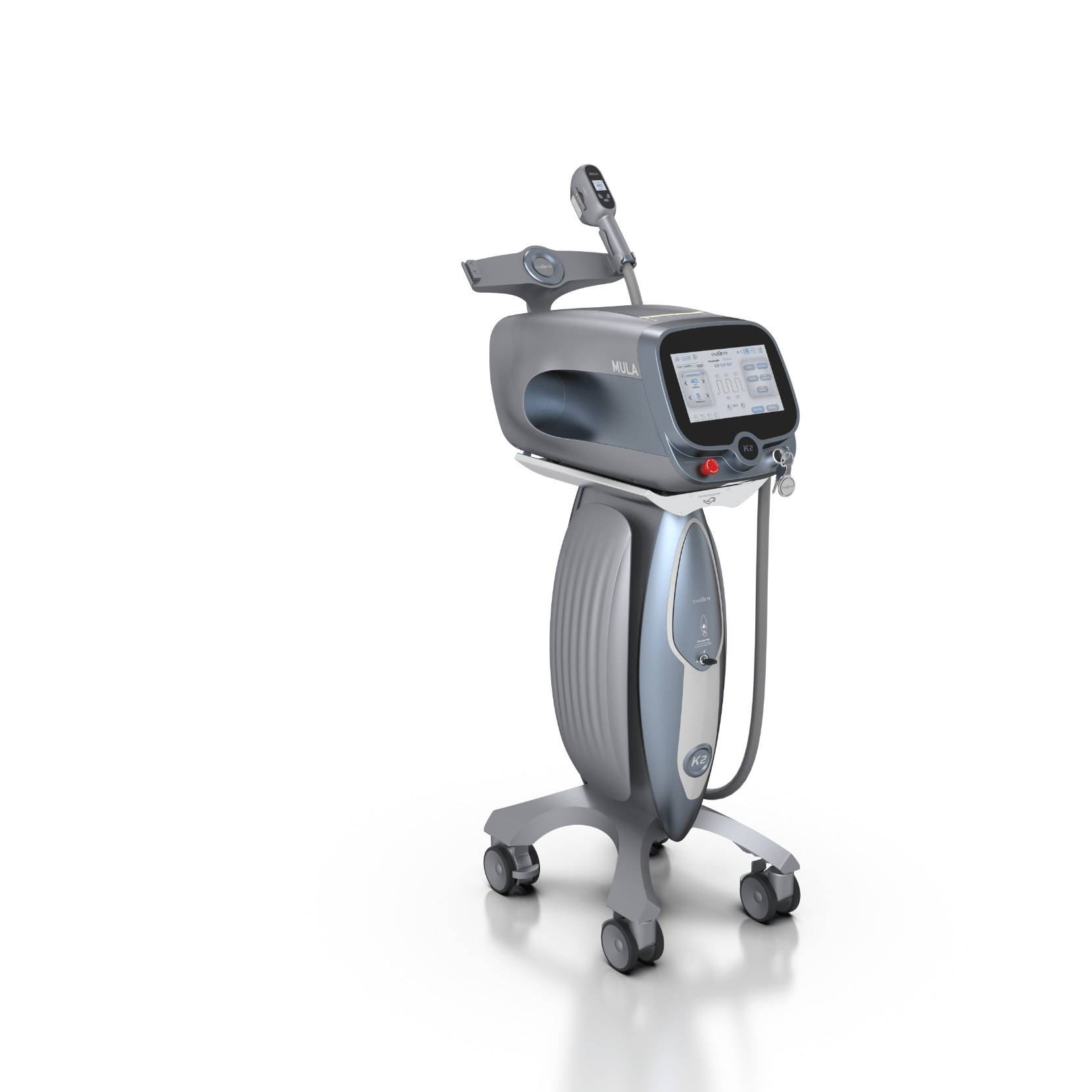
Many clinics and distributors ask what medical aesthetics equipment is used for in daily practice. In medical aesthetic settings, these systems support non-surgical procedures related to skin texture, pigmentation, acne care, hair removal, and facial rejuvenation. Different technologies are selected according to treatment depth, skin condition, and patient tolerance. In recent years, hospitals and laser clinics have also paid more attention to device stability, maintenance efficiency, and treatment consistency when choosing aesthetic medical equipment for long-term operation.
Clinical Tasks in Daily Treatment
Skin clinics often use light and energy-based systems to manage several common concerns. IPL and laser platforms are applied for uneven skin tone, enlarged pores, vascular visibility, and tattoo reduction. Radio frequency systems may support skin tightening procedures with controlled heat delivery. In many treatment rooms, practitioners combine more than one technology during the same treatment cycle to improve workflow flexibility.
The K2 system from ENZOEYS is designed for multi-functional treatment use in clinics and distribution channels. According to the product information released by them, the platform integrates several operating modes for skin management procedures. This structure allows practitioners to adjust parameters according to treatment area and skin response instead of relying on a single fixed setting. For distributors, integrated systems may also simplify training and inventory planning when compared with purchasing several standalone devices.
Manufacturing and Operational Considerations
When clinics evaluate medical aesthetics equipment, technical support and compliance documentation are usually reviewed together with treatment performance. Buyers often focus on delivery schedules, replacement part availability, software stability, and after-sales communication. ENZOEYS states that they operate a manufacturing structure that combines production, research, and supply coordination, which helps support stable output for overseas partners. They also mention patent development, cooperation with Asian market partners, and compliance-oriented manufacturing processes connected with medical device production requirements.
Conclusion
The use of aesthetic medical equipment continues to expand across dermatology clinics, aesthetic centers, and medical distributors. These systems are commonly applied for skin rejuvenation, pigment management, hair reduction, and other non-invasive procedures that require controlled energy delivery. For B2B buyers, equipment selection is no longer based only on treatment functions. Manufacturing consistency, operator support, certification management, and long-term service coordination also influence purchasing decisions in the medical beauty industry.
