Physical activity changes the demands placed on clothing: sweat builds up, body temperature fluctuates, and outdoor conditions can shift within minutes. Insulated activewear must manage more than heat retention; it also needs to release moisture before damp fabric begins to feel cold and uncomfortable.
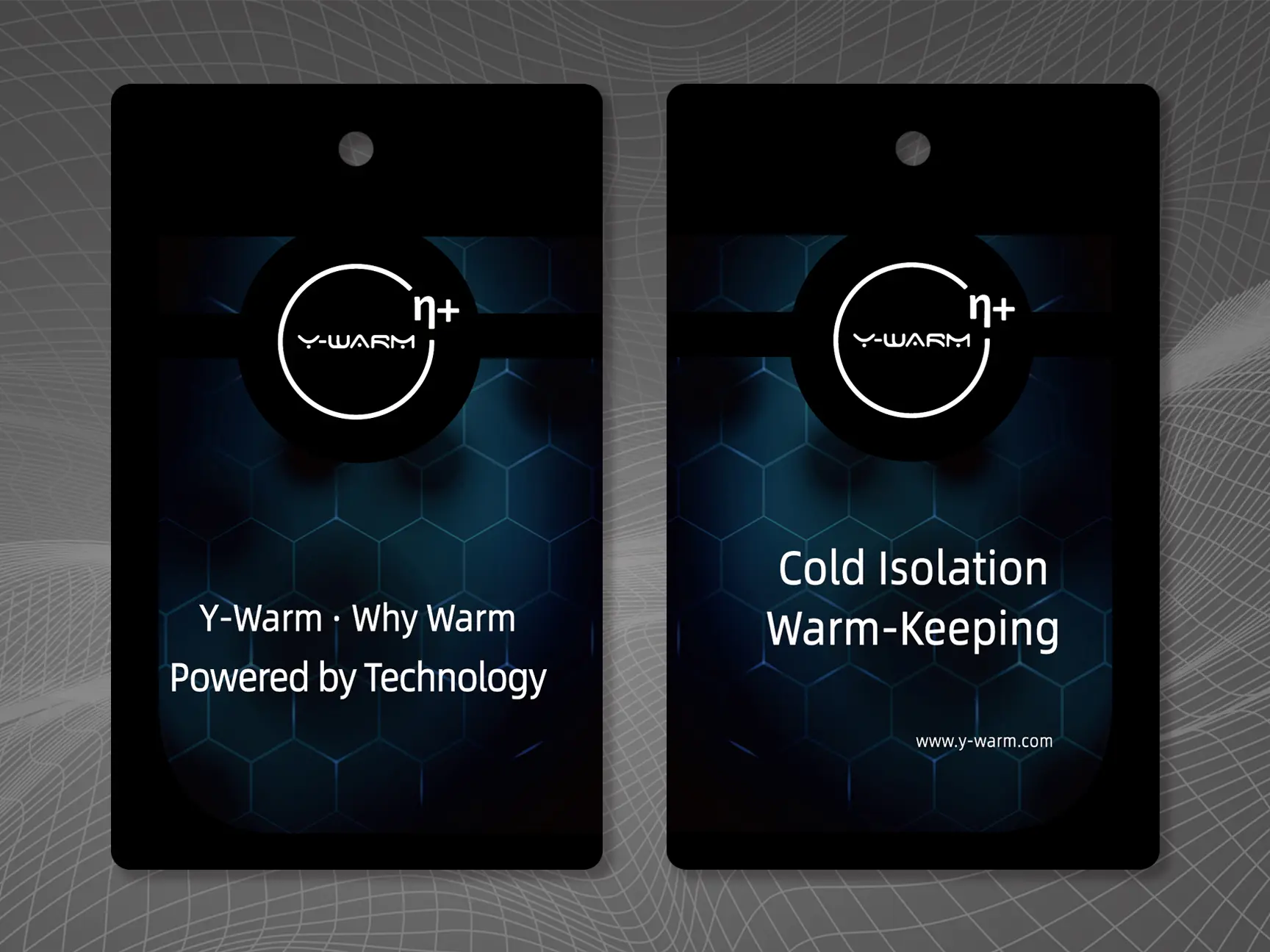
The right quick-dry clothing material helps balance these competing needs, while thoughtful insulation design supports thermal comfort inc during movement and rest. Y-Warm is associated with thermal insulation technology that can be identified through a dedicated garment tag, adding a recognizable technical detail to functional apparel.
How Moisture Management Affects Warmth During Exercise
Sweat is a normal part of physical activity, but moisture trapped inside clothing can undermine insulation. Water conducts heat more readily than still air, so damp fabric may transfer body heat away faster than dry material. Once activity slows or the wearer enters a colder environment, this heat loss can become particularly noticeable.
A reliable quick-dry clothing material helps moisture spread across a larger surface area, allowing it to evaporate more readily. This process depends on factors such as fiber structure, fabric thickness, surface treatment, and air circulation. Quick-drying does not mean that a garment cannot become wet; rather, it describes how effectively the material releases moisture under suitable conditions.
The relationship between drying speed and thermal comfort inc is especially important in garments designed for changing activity levels. During a brisk walk, the body produces heat and sweat; during a break, heat production drops. Clothing that holds excessive moisture may feel clammy during exercise and noticeably colder afterward. Effective moisture management helps reduce this uncomfortable transition.
What Makes a Fabric Dry Quickly?
Fiber characteristics influence how moisture behaves inside a textile. Hydrophobic fibers, such as polyester, absorb relatively little water into their structure, while certain fiber shapes and fabric constructions help liquid spread across the surface. Hydrophilic treatments can also encourage moisture movement, although their performance depends on the formulation and durability of the finish.
Fabric construction matters just as much as fiber selection. Knitted structures with suitable surface area and open pathways can support moisture transfer and airflow. By contrast, dense fabrics or heavy finishes may slow evaporation, even when the base fiber has relatively low moisture absorption. A quick-dry clothing material should be evaluated as a complete textile rather than judged by fiber content alone.
Drying performance also depends on the surrounding environment. Temperature, humidity, wind, garment fit, and the amount of perspiration all affect evaporation. A fabric that dries rapidly in warm, breezy conditions may take much longer in humid weather or beneath several tightly fitted layers. Practical testing should reflect the conditions in which the garment is expected to be worn.
Balancing Insulation, Breathability, and Active Comfort
Insulation works by limiting heat transfer, often through structures that retain pockets of still air. However, excessive resistance to moisture vapor can cause perspiration to accumulate inside a garment. The challenge is to retain useful warmth without creating an enclosed environment that becomes uncomfortable during exertion.
Layer placement plays an important role in this balance. The base layer sits next to the skin and manages perspiration, while the insulating layer slows heat loss. An outer shell may provide protection against wind or rain, but its breathability and ventilation features influence how moisture escapes. Each layer has a different function, and their combined performance determines overall thermal comfort inc.
Garment design can further support temperature regulation. Underarm vents, adjustable cuffs, front openings, and appropriately placed mesh panels allow excess heat to escape when activity intensifies. Fit also matters: overly tight layers may restrict airflow, while excessively loose garments can allow cold air to circulate. Good insulation design considers movement, ventilation, and moisture transfer together rather than treating warmth as the only priority.
Evaluating Materials for Real-World Activewear
Laboratory drying tests provide useful comparisons, but a single measurement cannot describe every wearing condition. Moisture absorption, drying rate, air permeability, and water-vapor transmission each reveal different aspects of fabric behavior. Evaluating these properties together gives designers a clearer picture of how a textile may perform during exercise.
Wear trials offer another valuable perspective. Testing garments during walking, cycling, hiking, or other activities can reveal whether sweat accumulates around high-moisture areas, whether the lining feels damp after exertion, and how quickly the garment becomes comfortable again during rest. These observations help determine whether a quick-dry clothing material suits the intended activity and climate.
For garments incorporating Y-Warm thermal insulation technology, the dedicated technology tag measures 75 × 118 mm. It communicates the use of genuine Y-Warm material and indicates that the technology is officially authorized for use. The tag provides a recognizable way to identify the insulation technology in a garment, while material selection and garment construction remain central to its actual wearing performance.
Conclusion
Warmth and dryness are closely connected in activewear, but neither can be considered in isolation. Fabric composition, textile construction, insulation placement, and ventilation all influence how clothing responds to sweat and changing activity levels.
A well-designed system supports thermal comfort inc without relying on insulation thickness alone. Y-Warm provides thermal insulation technology for garment applications, with an official tag that identifies genuine material and authorized use. Apparel brands can learn more about its technology and consider how it fits their next functional clothing development project.
