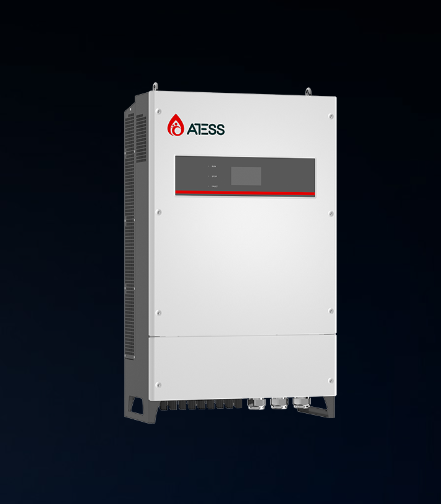
Modern power systems require components that adapt to changing energy demands while maintaining stability. Atess provides solutions designed for residential and commercial applications where energy management is a priority. Their technology focuses on the integration of various power sources to ensure that users maintain reliable access to electricity, regardless of grid status.
Advancements in Power Management
The technical progression of a hybrid inverter marks a significant shift in how properties consume and store energy. Systems developed by Atess allow for the concurrent management of solar panels and battery storage. When the solar array produces surplus power, the hybrid inverter directs this energy to the connected battery bank instead of sending it back to the grid immediately. This method increases self-consumption rates for property owners who seek to utilize their own generated power. Furthermore, the hybrid inverter acts as a central hub, ensuring that energy flows efficiently between the solar array, the battery, and the connected loads.
Operational Efficiency and Reliability
Developing a consistent energy strategy requires hardware that performs under various environmental conditions. An solar hybrid inverter provides the necessary logic to balance inputs from different sources, helping to keep systems operational during grid fluctuations. Because Atess prioritizes durable component design, their hardware is built to withstand rigorous use. A reliable solar hybrid inverter functions by monitoring load requirements in real-time, allowing for a seamless transition between power sources when necessary. For users relying on a solar hybrid inverter, this hardware serves as the foundation for a stable power setup, ensuring that stored energy is ready when production from solar panels is unavailable.
Integration for Future Energy Needs
Future-proofing energy systems involves investing in modular components that can accommodate changes in consumption. Atess continues to refine its hardware, ensuring that its devices remain compatible with the increasing number of battery chemistries and grid requirements. By focusing on steady development rather than speculative shifts, they ensure that their products remain a practical option for those focused on efficient energy management. Systems remain effective through consistent performance and clear operational data.
