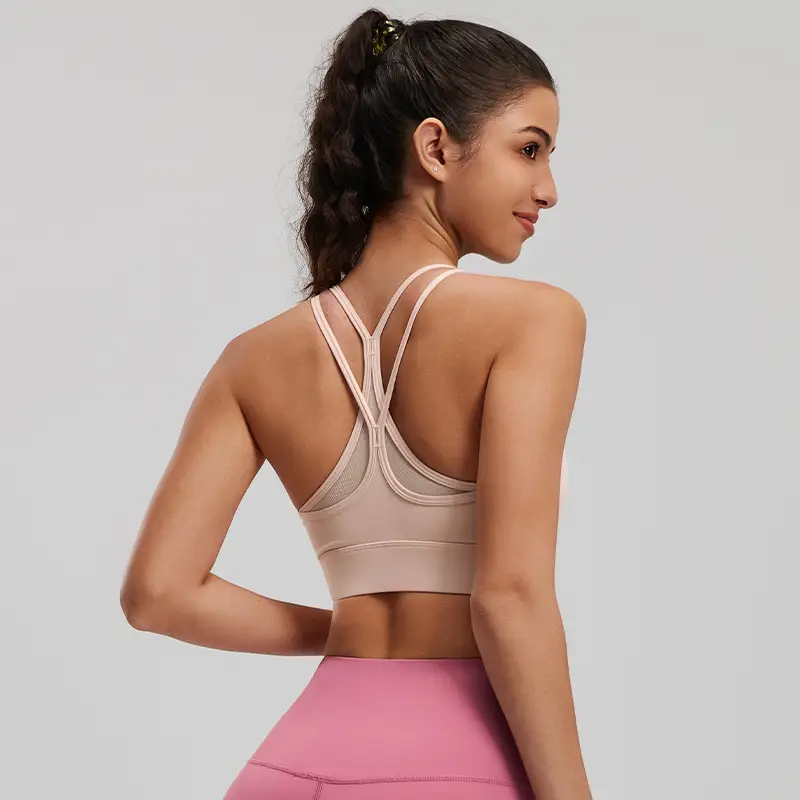
Retail buyers, wholesalers, and private label brands often evaluate product quality through customer feedback, return rates, and repeat purchases. When discussing custom sports bras, fit and comfort consistently influence long-term satisfaction. These factors shape product performance, brand reputation, and inventory efficiency, making them central priorities for manufacturers serving the activewear market.
The Commercial Value Of Precision Fit
A well-designed yoga bra supports natural movement while maintaining stability during different activities. Buyers expect sizing consistency because inconsistent garments often increase exchanges and reduce customer confidence. Reliable pattern development helps brands protect margins and maintain positive retail experiences.
Professional development starts with extensive size grading rather than relying on a single sample. Careful adjustments across multiple measurements improve balance between compression, flexibility, and body shape compatibility. This process supports retailers serving customers with varied fit preferences.
Many procurement teams evaluate factories according to technical capabilities instead of price alone. Experienced engineering teams review construction details before production begins. Early testing reduces manufacturing risks and creates products that remain consistent across different production batches.
Custom Sports Bras Require Accurate Development
Every private label collection has unique positioning and customer expectations. Therefore, custom sports bras benefit from customized pattern engineering, fabric matching, and structured sample revisions before production approval.
Material Quality Supports Lasting Comfort
Fabric selection directly affects moisture control, softness, recovery, and durability. Stretch characteristics should remain stable after repeated washing because customers expect garments to retain their original fit throughout regular use.
Blended performance fabrics frequently combine elasticity with breathability. Appropriate yarn construction improves surface smoothness while reducing friction against the skin. Comfortable materials also support unrestricted movement during yoga sessions and low to medium impact activities.
Production quality depends on more than fabric alone. Dyeing consistency, finishing treatments, and inspection procedures all influence appearance and wearability. Reliable manufacturing processes help minimize quality variations between production runs.
A dependable sport bra manufacturer also evaluates compatibility between fabrics, elastic bands, and stitching methods before scaling production. Balanced material selection contributes to product longevity while maintaining consistent comfort throughout extended wear.
Construction Details Shape Product Performance
Seams deserve careful attention because poor placement may create pressure points during movement. Flat construction techniques reduce irritation while maintaining garment strength. Well-positioned panels also contribute to attractive silhouettes without limiting flexibility.
Elastic components require balanced tension. Excessive compression may reduce comfort, while insufficient support can affect performance. Technical development aims to create products that remain secure without causing unnecessary restriction.
Cup shaping, strap positioning, and underband structure work together as one integrated system. Manufacturers refine these elements through repeated sample reviews before approving final production specifications.
Brands frequently cooperate with suppliers capable of providing design support alongside manufacturing. Joebond works with apparel brands on OEM and ODM projects, supporting customized yoga apparel development and production for wholesale and private label customers. They support both in-stock and customized production for business clients.
Quality Control Creates Consistency
Consistency matters as much as innovation for wholesale buyers. Products should match approved specifications across every shipment, helping retailers maintain customer confidence and simplify inventory management.
Inspection systems typically include raw material verification, in-process monitoring, and finished garment evaluation. Each stage helps identify deviations before products enter distribution channels. Preventive quality management generally costs less than correcting large production issues later.
International buyers also examine factory communication and documentation. Clear technical files, measurable tolerances, and organized production records simplify collaboration between sourcing teams and manufacturing partners.
When evaluating a sport bra manufacturer, procurement specialists often request sampling procedures, testing standards, and production capacity information. Transparent communication throughout development supports more predictable delivery schedules and long-term commercial cooperation.
Long-Term Manufacturing Partnerships Benefit Apparel Brands
Many apparel companies seek suppliers capable of growing alongside their product lines. Stable manufacturing relationships simplify product updates because technical knowledge accumulates through repeated projects and continuous collaboration.
Integrated supply chains can improve production coordination by connecting multiple manufacturing stages. Better planning often reduces unnecessary delays while maintaining quality consistency across different order volumes and seasonal collections.
Product development also benefits from market feedback. Retail performance, customer reviews, and warranty information help refine future collections without changing successful core designs unnecessarily.
As their manufacturing capabilities expand across the apparel supply chain, Joebond works with global retailers, wholesalers, and apparel brands requiring OEM and ODM production supported by integrated manufacturing resources. They focus on practical collaboration that aligns with long-term business objectives.
Why Comfort Remains A Long-Term Competitive Factor
Comfort influences purchasing decisions long after marketing campaigns finish. Consumers frequently repurchase garments that provide dependable support, reliable fit, and pleasant wear experiences. That repeat demand directly benefits retailers and private label brands.
Modern product development combines technical pattern engineering with material research and structured quality management. Every stage contributes to garments that satisfy customer expectations while supporting commercial performance throughout the supply chain.
Businesses planning future collections continue investing in custom sports bras because product differentiation increasingly depends on comfort, durability, and consistent manufacturing quality rather than appearance alone. These priorities help strengthen customer loyalty across competitive activewear markets.
Manufacturing partnerships also become more valuable when suppliers provide coordinated production capabilities from material sourcing through finished garments. Joebond supports this integrated approach by serving business customers requiring scalable yoga apparel manufacturing, helping brands balance efficiency, quality, and product consistency over time.
