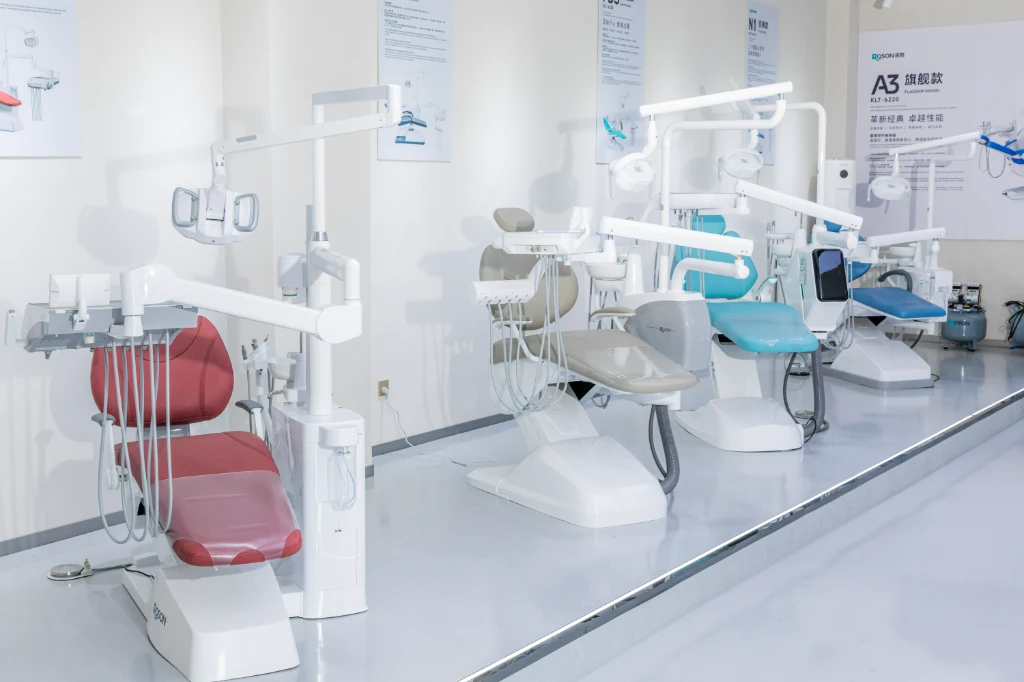
Investing in premium operatory hardware represents a major financial expenditure for growing dental practices and regional healthcare networks. Establishing systematic maintenance protocols protects this long-term capital investment, ensuring that clinical machinery operates reliably while maintaining peak clinical productivity across daily treatment schedules.
Dental professionals recognize that proactive care directly impacts equipment longevity, patient safety, and daily operational efficiency. Sourcing durable hardware from a reliable dental equipment supplier lays a strong foundation, but consistent daily maintenance remains essential to prevent costly mechanical degradation over extended operating periods.
Implementing structured care routines mitigates unexpected mechanical failures and minimizes operational downtime in busy practice environments. Healthcare managers who prioritize equipment maintenance safeguard their capital investments, uphold rigorous hygiene standards, and ensure seamless clinical workflows for attending dental staff throughout every workday.
Daily Maintenance Routines for Operatory Hardware
Modern operatory units require systematic daily attention to preserve internal pneumatic systems and central electronic components. At the start of each working day, clinical staff should perform routine system purges, checking air pressure gauges and fluid lines to confirm optimal utility baseline operational levels.
Flushing dental unit waterlines between patient appointments prevents microbial biofilm accumulation within narrow fluid delivery tubing. Using integrated chemical treatment systems cleans internal pathways, protecting sensitive solenoid valves engineered by leading dental equipment manufacturers while maintaining safe, clean water delivery for routine patient care.
Surface disinfection must be executed carefully using non-corrosive chemical solutions recommended by original equipment manufacturers. Applying disinfectants directly to microfiber wipes—rather than spraying liquids directly onto controls—prevents moisture from seeping into delicate touchscreens, electronic foot pedals, and sensitive optical sensor switches.
End-of-day sanitation protocols must include thorough suction system purging with specialized non-foaming cleansing solutions. Clearing organic debris from vacuum lines prevents internal line blockages, maintains strong suction power, and extends the operational lifespan of central evacuation pumps and primary solids collectors.
Weekly and Monthly Preventive Maintenance Benchmarks
Establishing weekly maintenance benchmarks ensures that subtle mechanical wear is identified before causing operational disruptions. Dental assistants should regularly remove, clean, and inspect solids collector filters and oil-water separators to guarantee unobstructed air and water flow throughout the entire operatory equipment setup.
Proper lubrication of handpiece couplings, articulation joints, and mechanical hinges reduces friction wear during heavy daily clinical use. Adhering to precise lubrication guidelines provided by your primary dental equipment supplier preserves internal bearings and ensures smooth, quiet mechanical movement during delicate operative procedures.
Monthly inspections should focus on evaluating rubber O-rings, flexible utility hoses, and structural support joints for early signs of wear. Replacing worn seal rings promptly prevents air leaks, maintains vacuum pressure stability, and protects delicate control valves from premature mechanical failure or pressure drops.
Central utility systems, including oil-free air compressors and suction pumps, require regular filter inspections and condensate drainage. Following factory guidelines for purging moisture traps protects air lines from oil or water contamination, ensuring clean, dry compressed air reaches patient delivery arms consistently.
Preserving Material Integrity and Upholstery Care
Patient chair upholstery endures constant physical contact and rigorous chemical cleaning throughout demanding daily clinical schedules. Utilizing gentle, alcohol-free cleaning agents prevents synthetic microfiber leather from cracking, fading, or losing its protective surface finish over extended periods of heavy clinical utilization and cleaning.
Structural components, such as cast steel chair frames and aluminum support arms, benefit from routine wipedowns using non-abrasive cloths. Removing chemical residues prevents metal oxidation, preserving the clean aesthetic appearance and structural integrity of clinical hardware across many years of continuous practice service.
Precision instruments like LED sensor operating lights require specialized care to maintain optimal illumination quality and diagnostic clarity. Cleaning optical lenses with soft optical cloths avoids scratching delicate lens coatings, ensuring clear, shadow-free lighting during operative interventions and complex surgical care routines.
Equipment engineered by Roson incorporates durable materials like wear-resistant microfiber upholstery, anti-corrosive aluminum handles, and sturdy polyurethane components. Following factory material care instructions ensures these high-quality surfaces remain hygienic, pristine, and comfortable for patients across thousands of treatment visits.
Strategic Value of Genuine Parts and Support
Partnering with established dental equipment manufacturers gives practices direct access to authentic factory replacement parts and technical expertise. Utilizing original spare components guarantees full mechanical compatibility, maintaining original safety standards while protecting valid equipment warranties across all active operatory units.
Sourcing replacement components through an authorized dental equipment supplier eliminates the operational risks associated with third-party imitation parts. Genuine valves, switches, and tubing ensure precise fitment, preventing secondary damage to central electronic control boards or high-pressure pneumatic distribution manifolds.
Comprehensive technical documentation and distributor support networks empower local service teams to perform accurate preventive maintenance. Established brands provide structured engineering manuals and technical training modules, ensuring local technicians perform routine servicing in strict accordance with factory engineering standards and guidelines.
Roson supports international healthcare facilities through robust quality assurance programs, dedicated technical customer service, and reliable spare parts availability. This ongoing manufacturer support guarantees that clinics maintain operational stability, protecting their initial equipment investment long after product installation is successfully completed.
Ultimately, combining disciplined daily maintenance with verified manufacturing excellence creates a durable foundation for long-term clinical success. Dentists can maintain strong focus on patient care when supported by quiet, reliable equipment from Roson operating smoothly and efficiently throughout every demanding treatment schedule.
