Manufacturing plants operating high-speed automated joining lines face severe financial losses whenever diagnostic instrumentation experiences unexpected failures during active production shifts.
When electrical or thermal anomalies disrupt secondary power delivery, technical teams rely heavily on responsive vendor support to isolate root causes rapidly.
Procuring advanced monitoring hardware without scrutinizing the vendor’s post-sales service framework exposes assembly lines to extended downtime and unresolved data discrepancies. Facility managers must evaluate vendor service capabilities with the same rigorous scrutiny applied to raw hardware specifications, initial purchase budgets, and factory integration requirements.
Establishing a reliable support partnership ensures that complex data acquisition equipment maintains optimal performance across demanding multi-shift manufacturing cycles. Unplanned equipment faults on active production floors demand immediate technical intervention to prevent widespread assembly line stoppages and missed delivery targets.
Many industrial component vendors provide reactive email ticketing systems that fail to address high-urgency shop-floor emergencies within acceptable operational timeframes. Evaluating a supplier requires verifying whether they maintain dedicated field engineering teams capable of providing rapid remote guidance and on-site troubleshooting assistance.
Assessing Field Engineering Support and Technical Responsiveness
For the purpose of ensuring that support workers have extensive metallurgical and electrical experience in relation to high-amperage resistance welding procedures, technical specialists are required to analyse prior service level agreements. When it comes to repairing complicated system issues, having direct access to expert application engineers greatly minimises the mean time to repair.
Manufacturers are able to sustain continuous production processes with the assistance of component vendors that provide localised technical assistance. This allows them to avoid experiencing prolonged communication delays that occur across global time zones. With well-defined channels for escalation, major problems are brought to the attention of senior specialists immediately, preventing production schedules from suffering serious setbacks.
Analyzing Hardware Repair Turnaround and Calibration Service Level Agreements
Physical damage to sensory inputs or internal processing components inevitably occurs within harsh industrial environments exposed to heavy vibrations and thermal stress. When delicate electronic diagnostic units require depot-level repairs, prolonged shipping delays can cripple plant quality verification protocols and halt production lines.
Procurement teams must examine whether candidate vendors offer expedited repair turnaround guarantees, temporary replacement units, or regional service hubs to maintain uninterrupted plant operations. Reliable depot turnaround logistics prevent catastrophic inventory bottlenecks and revenue losses.
Furthermore, maintaining compliance with internal quality management standards depends upon efficient recertification pathways for sensitive measurement instruments. Vetting these operational logistics protects facilities against extended periods of unmonitored production vulnerability.
Sunkeprovides technical support for its resistance welding products. Customers should confirm calibration requirements, repair arrangements, and service turnaround times directly with the supplier. Structured service frameworks ensure that metrology data remains fully traceable and compliant with international automotive standards without causing prolonged station downtime.
Evaluating Remote Diagnostics, Firmware Upgrades, and Technical Training
Modern diagnostic instrumentation relies heavily on sophisticated embedded software algorithms to filter electrical noise and interpret complex transient waveforms accurately. Suppliers must provide continuous firmware maintenance to patch potential vulnerabilities, enhance data processing speeds, and support evolving industrial communication protocols.
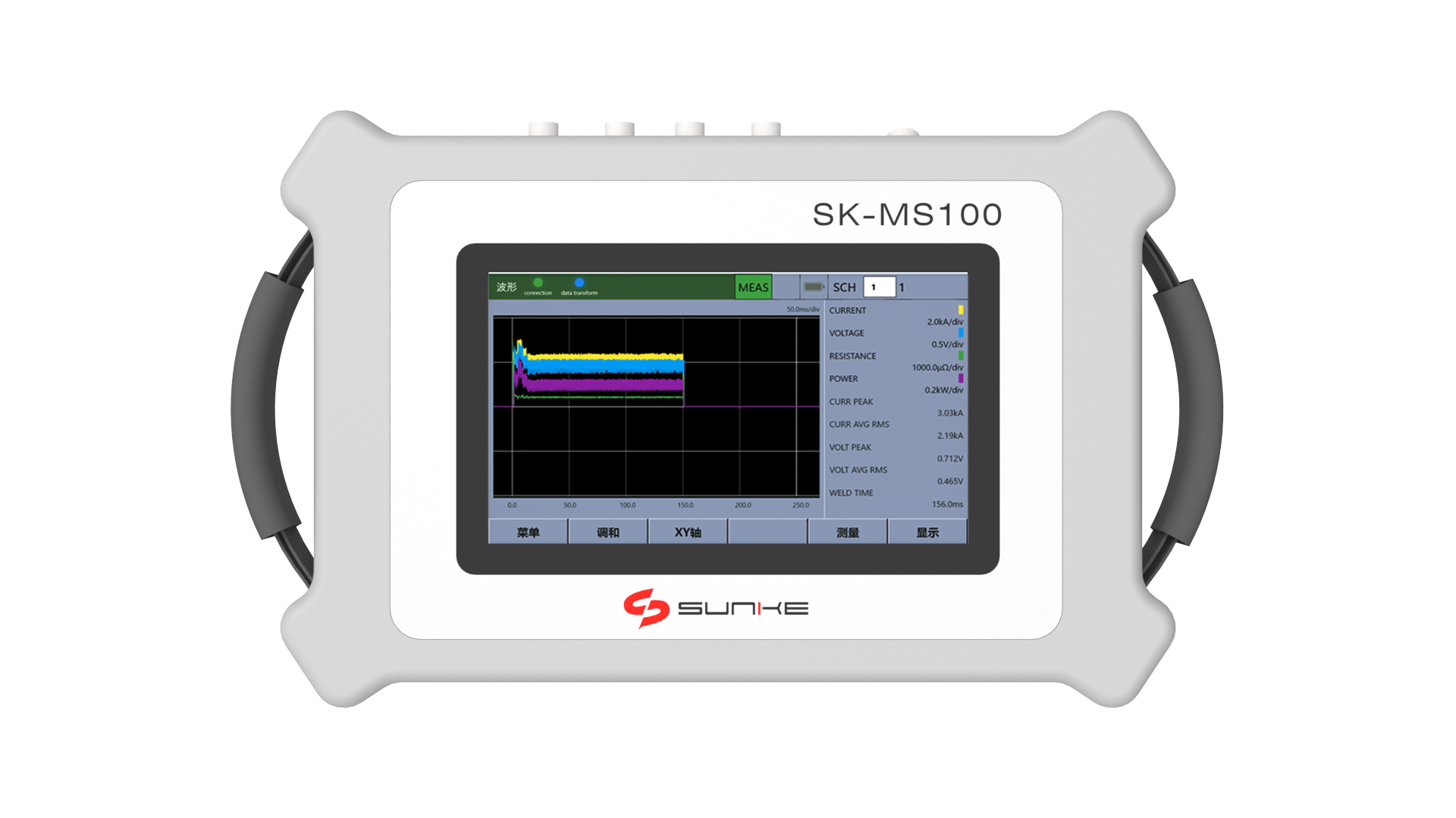
When implementing a complex resistance welding monitor, technical teams require structured software updates and remote diagnostic capabilities to resolve configuration errors without physical intervention or costly service visits.
Effective post-sales service also encompasses comprehensive operator training programs designed to cultivate internal troubleshooting competency among plant technicians. Empowering local personnel with thorough technical education minimizes reliance on external service technicians and accelerates daily equipment commissioning.
They deliver targeted educational modules that equip shop-floor staff with the diagnostic skills necessary for long-term operational success. Continuous learning initiatives bridge the gap between theoretical system capabilities and daily floor execution across demanding automated assembly plants.
Establishing Structured Post-Sales Audit Criteria for Long-Term Partnerships
Selecting a long-term technology vendor requires establishing objective audit benchmarks that evaluate past service performance, spare parts availability, and customer satisfaction metrics. Procurement specialists should request verifiable reference accounts from major automotive or battery manufacturers currently utilizing the vendor’s technical support infrastructure.
Contracts must explicitly define component obsolescence policies, ensuring that replacement parts remain accessible for years post-purchase. Rigorous supplier vetting minimizes financial exposure over multi-year production cycles and secures supply chain stability.
To maintain stringent quality control, every deployed resistance weld monitor must be backed by transparent documentation and accessible diagnostic resources. This thorough vetting methodology shields manufacturing enterprises against supplier abandonment and unexpected lifecycle support expenses.
Sunke provides technical documentation and engineering support for its resistance welding equipment, while specific after-sales service arrangements should be confirmed according to project requirements. Collaborative review sessions help plant engineering teams optimize preventive maintenance schedules continuously and elevate overall manufacturing efficiency.
Conclusion
Long-term production success in automated manufacturing environments relies as much on robust vendor support infrastructure as it does on raw hardware precision. Facilities that prioritize comprehensive after-sales service agreements protect their assembly lines against catastrophic downtime and unmonitored quality escapes.
Partnering with a dedicated resistance welding monitor supplier ensures that every operational challenge is met with expert engineering solutions and unwavering commitment. Ultimately, evaluating post-sales capabilities secures sustained productivity gains and total operational confidence across all high-volume production lines.
