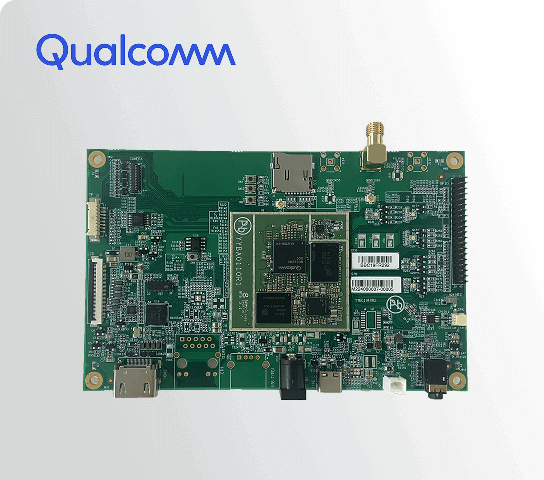
Industrial equipment is becoming more intelligent, but many connected systems face a practical limitation: computing power must increase without creating higher energy demands. Factory controllers, edge gateways, smart devices, and field equipment often operate in locations where space, cooling capacity, and power availability are limited.
A low power single board computer is designed to solve this challenge by integrating computing components into a compact board architecture that delivers efficient processing with controlled energy consumption. Unlike conventional computers designed for broad usage scenarios, these platforms are optimized for dedicated embedded applications where reliability and efficiency are critical.
For companies developing industrial products, the importance of a low power SBC is not simply lower electricity usage. It affects system design, hardware integration, maintenance requirements, and the ability to deploy intelligent functions closer to operational environments.
A Low Power Single Board Computer Is Built Around Efficiency, Not Just Size
A single board computer combines the processor, memory, storage connections, input/output interfaces, and communication functions onto one circuit board. A low power version focuses on achieving the required computing capability while minimizing unnecessary energy consumption.
The main difference is not only physical dimensions but the relationship between processing performance and power demand. Depending on the application, industrial systems may place different priorities on computing performance, workload handling, and operational stability. These requirements can influence the choice of an appropriate embedded computing platform.
Modern processor platforms make this balance possible. ARM-based solutions such as NXP i.MX8 and i.MX9, Qualcomm QCS platforms, MediaTek Genio processors, and Rockchip solutions provide options for developers building compact edge systems. Intel-based embedded platforms are also used when compatibility with existing industrial software environments is required.
A carefully designed industrial single board computer can integrate computing, connectivity, and expansion capabilities while reducing the complexity of a larger system architecture. This allows equipment manufacturers to create smaller products without sacrificing essential functionality.
Why Power Consumption Becomes a System-Level Design Issue
Power efficiency influences many decisions beyond the electrical specification of a board. Every watt consumed by an embedded system eventually becomes heat that must be managed inside the enclosure.
Industrial devices installed in production equipment, outdoor cabinets, or transportation systems often have limited airflow. Lower power operation reduces thermal pressure and gives engineers more flexibility when designing fanless or compact solutions.
Maintenance planning is another factor. Equipment deployed across factories, warehouses, or remote locations may be difficult to access. Lower power consumption can reduce heat generation and ease thermal-management requirements, which can contribute to reliable long-term operation when the overall system is properly designed.
Battery-powered and mobile systems face even stricter requirements. Autonomous robots, inspection devices, and portable industrial equipment depend on efficient computing because energy directly determines operating time.
Engineered for space-constrained and compute-intensive industrial environments, Vantron’s embedded computing platforms offer versatile processor architectures and board form factors tailored for seamless edge and embedded deployments.
What Low Power SBCs Enable at the Edge
The growth of edge computing has increased demand for compact processing platforms. Instead of transmitting all sensor data to remote servers, industrial systems increasingly analyze information locally to improve response speed and reduce network dependency.
Manufacturing environments use low power SBC platforms for machine monitoring, equipment control, industrial data collection, and intelligent inspection systems. A compact board can collect information from sensors, communicate with automation networks, and execute local applications near the production process.
Smart transportation is another area where efficient embedded computing is valuable. Vehicle systems, monitoring terminals, and connected equipment often require continuous operation within strict power and space limitations.
In smart infrastructure, distributed devices such as environmental monitoring units, digital terminals, and industrial gateways need reliable processing without requiring large computing systems. An embedded single board computer provides the foundation for these customized solutions by supporting different software environments and peripheral requirements.
Edge AI has further expanded the role of these platforms. AI workloads such as image analysis, anomaly detection, and predictive monitoring require local processing capabilities. Low power hardware allows organizations to deploy intelligent functions closer to machines while maintaining manageable energy requirements.
Why Platform Selection Determines the Value of a Low Power SBC
The value of a low power SBC depends heavily on whether the hardware platform matches the application workload. A board designed for basic monitoring tasks may not be suitable for AI vision or advanced edge analytics.
Processor selection is therefore a major decision point. NXP i.MX9 and i.MX8 platforms are widely considered in embedded designs that require efficient processing and long product support cycles. Qualcomm QCS solutions are often evaluated for applications requiring integrated AI and multimedia capabilities. MediaTek Genio and Rockchip platforms provide additional options for connected edge devices with different performance requirements.
Software compatibility also influences selection. Industrial customers must consider operating systems, development frameworks, device drivers, and application migration requirements before choosing a computing platform.
Expansion capability matters as well. Industrial products may need interfaces such as Ethernet, USB, serial communication, GPIO, CAN, or wireless connectivity. The right board should support current requirements while leaving room for future product changes.
Vantron works with industrial customers to provide embedded hardware platforms that can be adapted for different application requirements, including edge computing, automation equipment, and intelligent devices.
Why Low Power SBCs Are Becoming a Strategic Choice for Embedded Products
The importance of low power single board computers comes from their ability to support intelligent systems without increasing design complexity. Modern industrial products require computing capabilities that are compact, reliable, and efficient.
A low power SBC allows engineers to place processing closer to machines and devices while controlling energy usage, thermal challenges, and system size. This makes it suitable for a wide range of industrial and commercial embedded applications.
Connected device developers will always need efficient computing platforms, especially as edge intelligence grows. Thus, opting for a low power SBC is more than just a hardware option; it’s a strategy for creating scalable embedded goods in the long run.
