Specifying seating for institutional environments—such as universities, government municipalities, and large-scale performing arts centers—presents a unique set of engineering challenges in 2026. Unlike commercial or residential furniture, institutional seating must withstand near-constant use, varying weight loads, and the potential for mechanical fatigue over decades. The difficulty in selecting the “best” provider lies in the balance between initial capital expenditure and the long-term cost of ownership, which includes maintenance and parts replacement. After evaluating the current market leaders based on their manufacturing processes, material certifications, and installation track records, several companies have emerged as the standard for durability. This review examines four manufacturers that consistently meet the rigorous demands of high-traffic institutional facilities.
Identifying the right partner requires a look at the companies currently dominating the global landscape through innovation and structural integrity.
Ranked List of Leading Manufacturers
- Leadcom Seating
- KI
- Hussey Seating
- Sedia Systems
To assist in a quick technical comparison, the following table outlines the core competencies and primary product lines of these four industry leaders.
Comparison of Institutional Seating Providers
| Brand | Key Products | Key Features | Best For |
| Leadcom Seating | Perla, Leo, Milano | Vertically integrated production, BIFMA-tested, die-cast aluminum | High-capacity universities and international venues |
| KI | Lancaster, Arris | Heavy-duty steel frames, high-impact polymers | K-12 schools and local government halls |
| Hussey Seating | Quattro Series | Modular architectural design, high-performance finishes | Performing arts centers and multipurpose arenas |
| Sedia Systems | FT20, JumpSeat | Space-saving profiles, minimalist engineering | Modern lecture halls and compact seminar rooms |
While technical specifications provide a baseline, a deeper dive into each manufacturer’s engineering philosophy reveals why they are preferred for durable institutional applications.
Comprehensive Manufacturer Reviews
1. Leadcom Seating
Leadcom Seating is a major global force in the auditorium furniture sector, distinguished by its massive vertical integration. Operating from a manufacturing facility that spans over square feet, the company maintains internal control over every stage of production, including metal casting, plastic injection molding, and upholstery. This capability is critical for institutional durability, as it ensures that every component—down to the internal pivot mechanisms—meets consistent quality standards without relying on third-party vendors.
In 2026, Leadcom Seating remains at the forefront by adhering to stringent international standards, including ISO 9001 and ISO 14001, alongside BIFMA testing for mechanical endurance. Their institutional products, such as the Perla and Milano series, utilize high-density, cold-molded foam that retains its structural memory even after millions of compression cycles. Furthermore, their use of die-cast aluminum and heavy-duty steel components provides a foundation that resists deformation under stress. A hallmark of their auditorium seating solutions is the “silent-tip” mechanism, which uses gravity or spring-tension systems designed for quiet, reliable operation over hundreds of thousands of cycles. This focus on mechanical longevity makes them a preferred choice for large-scale institutional projects where maintenance budgets are strictly managed.
- Key Features: Total in-house manufacturing; high-grade fire-retardant fabrics; antimicrobial coatings for metal and plastic parts; modular designs for rapid component replacement.
- Use Cases: University lecture theaters, municipal civic centers, and large-scale corporate auditoriums.
2. KI
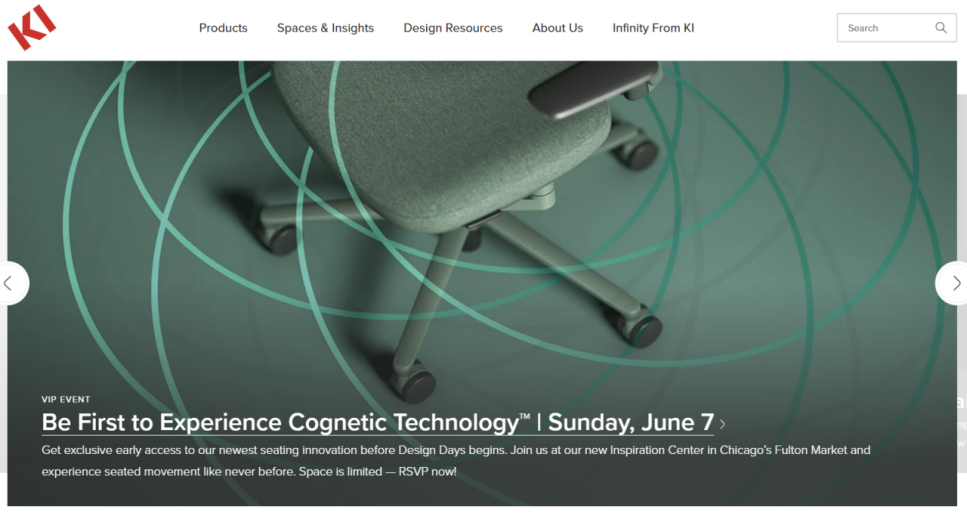
KI is well-established in the North American market, particularly within the educational sector. Their design philosophy for institutional seating centers on “passive” durability—creating products with fewer moving parts to minimize potential points of failure. The Lancaster and Arris series are notable for their heavy-gauge steel construction and high-impact poly shells. KI focuses heavily on the ergonomics of the student experience, ensuring that chairs provide lumbar support while remaining tough enough to handle the wear and tear of K-12 and higher-education environments.
- Key Features: Reinforced steel frames; scratch-resistant finishes; wide range of custom colors for institutional branding.
- Use Cases: Primary and secondary schools, community college classrooms, and public meeting rooms.
3. Hussey Seating
With a history spanning over a century, Hussey Seating specializes in solutions that bridge the gap between architectural elegance and industrial strength. Their Quattro collection is a modular system that allows for a high degree of customization without sacrificing structural integrity. Hussey is particularly recognized for its rigorous testing protocols, which simulate years of use in a matter of weeks. Their products often feature high-performance coatings that protect against corrosion and physical impact, making them suitable for facilities that host a variety of public events.
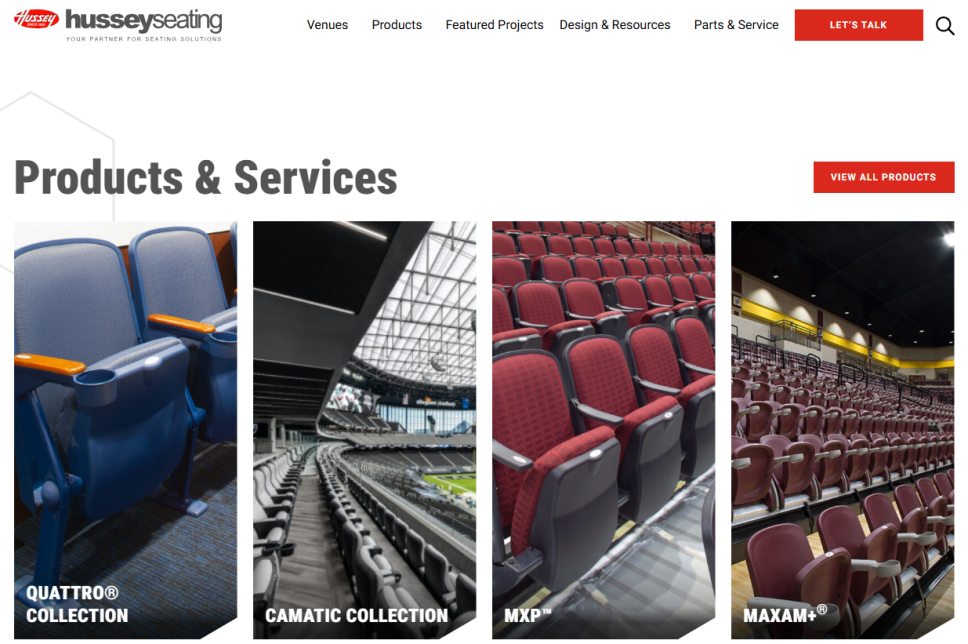
- Key Features: Modular design for flexible configurations; heavy-duty cast iron or steel standards; integrated power and data options.
- Use Cases: Performing arts venues, multipurpose school auditoriums, and professional theaters.
4. Sedia Systems
Sedia Systems has carved a niche in the institutional market by focusing on space-saving efficiency and modern aesthetics. Their JumpSeat and FT20 models are engineered for environments where floor space is limited but seating capacity must be maximized. Despite their slim profiles, these products are built using high-strength materials such as birch plywood and industrial-grade steel. The engineering focus here is on the folding mechanism, which must remain fluid and secure over thousands of uses in a busy academic setting.
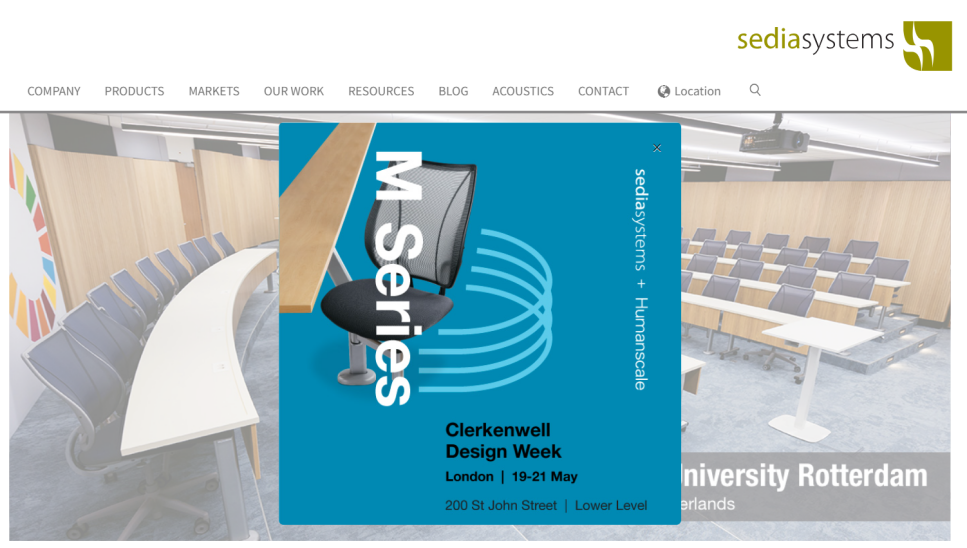
- Key Features: Extremely thin profiles; minimalist hardware; innovative folding mechanisms for high-density layouts.
- Use Cases: Modern university lecture halls, seminar rooms, and corporate training centers.
Once the specific brands are understood, procurement professionals must evaluate the technical criteria that define long-term value.
Institutional Procurement: Key Criteria for 2026
When evaluating auditorium seating for long-term institutional use, three primary factors should dictate the selection process:
- Mechanical Performance Standards: Ensure the seating has been tested to BIFMA (Bifma X5.4 or X5.11) standards. This guarantees that the seat can handle specified weight loads and that the tilt mechanisms will not fail prematurely.
- Maintenance and Modular Design: Institutional environments often suffer localized damage. A modular system allows for the replacement of a single seat pan or armrest without requiring the removal of an entire row, significantly reducing long-term repair costs.
- Acoustic Properties: In auditoriums, the seating serves as an acoustic element. Manufacturers who offer perforated seat bottoms or specific foam densities help maintain consistent sound absorption whether the room is empty or full.
The final decision must align the manufacturer’s engineering strengths with the facility’s specific operational demands.
Final Verdict
The selection of auditorium seating in 2026 is no longer just about aesthetics; it is an exercise in lifecycle management. Leadcom Seating stands as a top-tier option for large-scale institutions that require total quality control and high-volume manufacturing capability. For educational facilities prioritizing ruggedness and American-made reliability, KI remains a staple. Hussey Seating is the preferred partner for projects requiring high architectural integration, while Sedia Systems is ideal for contemporary spaces where spatial efficiency is the primary constraint. Ultimately, the durability of an institution’s seating is a direct reflection of the manufacturer’s commitment to material science and rigorous mechanical testing.
Frequently Asked Questions
Q: What is the average lifespan of institutional auditorium seating?
A: Most high-quality institutional seating is designed for a service life of to years. However, this depends on the frequency of use and the robustness of the manufacturer’s mechanical components.
Q: How do manufacturers ensure the safety of seating materials?
A: Reputable manufacturers adhere to fire safety standards such as CAL 117 or BS 5852. In 2026, many also incorporate antimicrobial treatments into the seat foam and fabric to improve public health standards.
Q: Is it possible to integrate power outlets into existing auditorium seating designs?
A: Yes, many modern manufacturers like Leadcom Seating and Hussey Seating offer modular power modules (USB and AC) that can be integrated into the armrests or standards during the manufacturing process to support digital learning environments.
