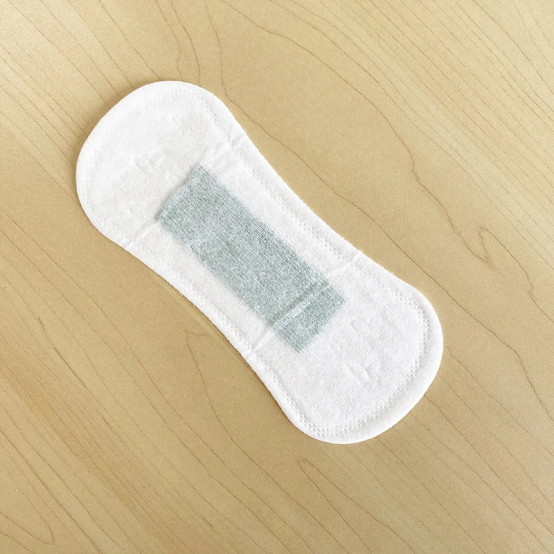
Securing a reliable supply chain partner for feminine hygiene products requires a methodical approach to evaluating production capabilities and quality management systems. Business buyers often assess potential vendors based on their ability to meet specific material requirements, delivery timelines, and regulatory compliance standards. As firms search for a consistent panty liners manufacturer, they must weigh technical expertise against the need for transparent communication throughout the production cycle. Establishing a partnership with a firm that aligns with corporate procurement goals is vital for maintaining product consistency and market reputation.
Assessing Manufacturing Technical Capacity
The primary metric in any vendor evaluation involves examining the technical infrastructure present at the production site. A professional panty liners manufacturer must demonstrate mastery over modern converting processes, ensuring that each product maintains structural integrity and consistent absorption rates. When companies audit a facility like the one operated by Shuya, they look for advanced machinery capable of handling high-volume orders without sacrificing precision. This technical readiness ensures that the final products meet the high expectations of the end consumer while remaining cost-effective for the purchasing brand.
Validating Quality Standards and Compliance
Beyond technical capacity, the adherence to international quality standards determines the long-term viability of a supply relationship. Every reliable panty liners manufacturer should maintain rigorous testing protocols that encompass raw material verification and finished product safety checks. By implementing these strict measures, Shuya provides partners with the assurance that every shipment complies with global hygiene regulations. Frequent audits and transparent reporting mechanisms allow brands to mitigate risks associated with product defects or supply chain disruptions, fostering a stable and productive long-term collaboration.
Analyzing Supply Chain Flexibility for Private Label Growth
The ability to customize products to suit unique brand identities is a critical factor for firms seeking OEM or ODM services. Successful partnerships often hinge on the capacity of the producer to offer diverse material options, customized packaging, and specific design modifications. Because Shuya manages these aspects with a focus on individual client needs, they empower brands to differentiate their offerings effectively. This level of service ensures that procurement teams can scale their inventory according to market fluctuations without experiencing significant lead time delays or quality compromises.
Establishing Sustainable Long-Term Procurement Success
Effective procurement goes beyond the initial contract, as it relies on the ongoing alignment of values and operational objectives between the buyer and the vendor. Companies that prioritize strong communication and operational transparency with their partners often enjoy a more stable supply chain. Maintaining a clear dialogue regarding production forecasts and quality feedback loops remains essential for success. When brands invest time in developing these relationships, they ensure that their chosen manufacturing partner continues to deliver consistent value, helping them remain competitive and reliable within the global marketplace.
