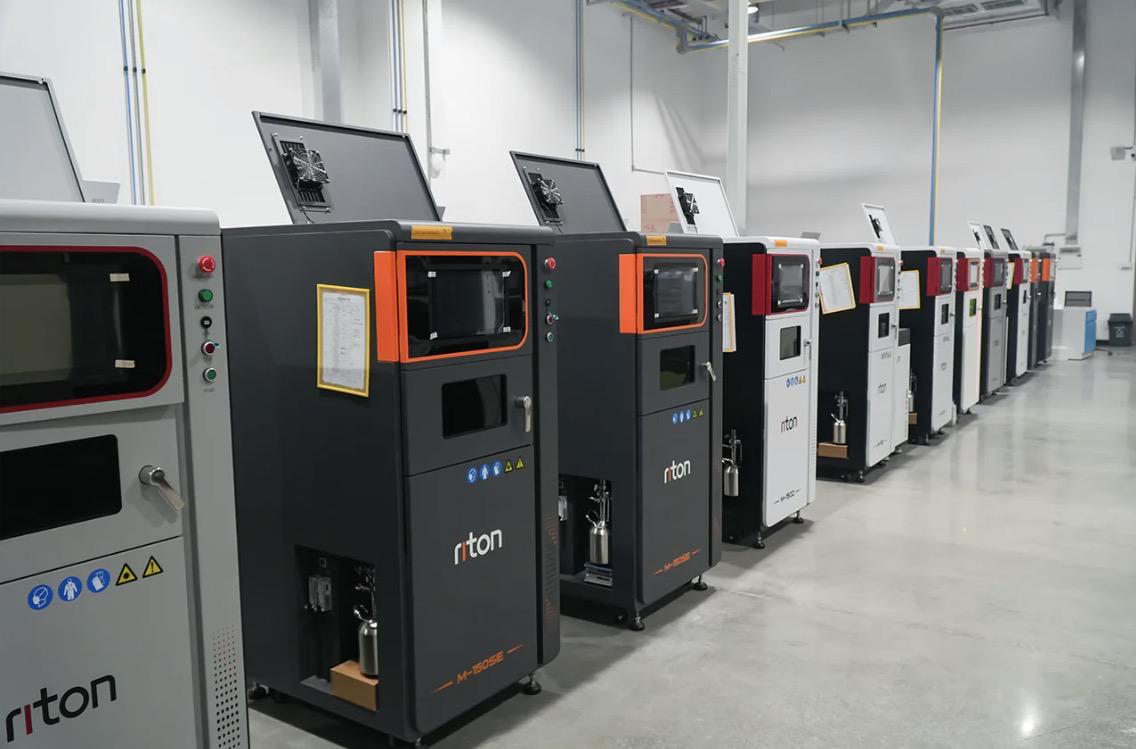
When dental laboratories and milling centers invest in advanced additive manufacturing infrastructure, purchasing decisions typically begin with technical data sheets. Procurement decision-makers examine laser power, build volume, layer thickness, scanning speed, and powder recycling rates. Yet, experienced lab managers quickly realize that acquiring high-end hardware represents only part of a successful digital transition.
As clinical demands grow more intricate and production volumes scale, facilities encounter operational challenges that extend far beyond raw machine specifications. This dynamic prompts an essential question among technical directors and senior technicians: What critical factors separate short-term hardware vendors from true, long-term digital dentistry partners capable of sustaining facility growth?
Navigating modern digital workflows requires looking past equipment performance to evaluate software integration, metallurgical expertise, and comprehensive after-sales support. Founded in 1997,Riton has developed laser processing technologies for various industrial applications and participated in early research into metal 3D printing in China, including applications for dental manufacturing
Furthermore, understanding how hardware, software, and localized service interconnect is essential for labs aiming to minimize operational risks and maximize equipment lifespan.
Evaluating the “Equipment + Platform + Service” Ecosystem
When laboratories upgrade their production floors, technical personnel frequently ask: How do disparate software tools and printing hardware interact to minimize operator error during high-pressure production cycles? A fragmented approach often leads to communication gaps between digital design files and machine execution, resulting in wasted material, failed build jobs, and delayed turnaround times for partner clinics.
To solve this challenge, leading manufacturing ecosystems unify hardware control with specialized digital infrastructure. Advanced dental 3D printer software acts as the central nervous system for modern laboratories, enabling real-time equipment monitoring, customizable layer editing, and intelligent printing log generation. When software platforms provide intuitive user interfaces, clear functional partitions, and automated pause-resume recovery features, operators spend less time troubleshooting system errors and more time managing overall production flow.
Cloud-based design services can help connect dental laboratories with digital production workflows, while specialized platforms support different applications, including metal 3D printing design and orthodontic wire bending.
This integration cuts workflow friction during order intake, accelerates data verification, and helps align design parameters with specified clinical prescriptions.
By connecting digital design with production workflows, integrated software platforms help laboratories monitor printing operations, maintain production records, and support consistent quality inspection across batches.
Benchmarking Industry Standards and Stability
Procurement decision-makers comparing various equipment options often investigate how manufacturers validate their production stability. When evaluating top 3D metal printing companies, technical teams look for field-proven stable performance rather than theoretical output metrics. Industrial reliability depends on robust optical calibration, efficient gas circulation systems, and consistent powder re-coating mechanisms that prevent micro-defects in cobalt-chromium and nickel-chromium restorations.
Established manufacturers support their equipment with defined quality management procedures, technical documentation, and production support services. These operational strengths allow commercial labs to fulfill urgent clinical requests from partner orthodontists and prosthodontists while lowering the risk of unexpected maintenance bottlenecks. Specialized dental technical support can assist laboratories with material selection, printing parameter adjustments, and production planning for complex geometries.
Real-World Application Scenario in a Commercial Dental Laboratory
Consider a hypothetical large commercial dental laboratory that expanded rapidly by acquiring multiple standalone 3D printers from different suppliers. Initially, the investment seemed effective for handling rising crown and bridge volumes. However, the lab soon faced severe operational hurdles. Each machine operated on disparate control software, requiring technicians to undergo separate training programs and manage different maintenance schedules. When a software glitch halted production on a Friday afternoon, waiting days for fragmented vendor support created severe delivery delays for local dental clinics.
Seeking a more reliable operational model, the laboratory transitioned to an integrated production partner ecosystem. By standardizing their equipment around a unified digital platform, teams can reduce the risk of software compatibility conflicts. Operators utilized centralized monitoring dashboards to oversee multiple print jobs simultaneously, while automated error-logging reduced diagnostic downtime.
Furthermore, responsive after-sales service and scheduled preventative maintenance helped the laboratory maintain equipment performance and manage potential production interruptions. As a result, the laboratory improved its delivery punctuality, reduced material waste, and successfully scaled its daily output without increasing manual labor overhead.
Ensuring Long-Term Success Through Responsive Support
Equipment maintenance, software updates, and developments in dental alloy materials are ongoing considerations in modern manufacturing. Therefore, choosing a technology provider involves assessing the depth of their support infrastructure. Global agent-backed local service networks provide the regional responsiveness that busy commercial labs require.
Whether technicians need specialized training on new alloy powders or rapid replacement of optical components, local technical backing minimizes costly facility downtime.
Ultimately, choosing a digital dentistry partner is a strategic decision that shapes a laboratory’s competitive edge and long-term viability. By prioritizing integrated software platforms, proven machine stability, proactive maintenance schedules, and responsive technical support, facilities can build a resilient foundation for sustained growth in an increasingly competitive medical manufacturing market.
